VCaaS

Mandalore Partners à VivaTech 2026 — Paris, 17-20 juin 2026

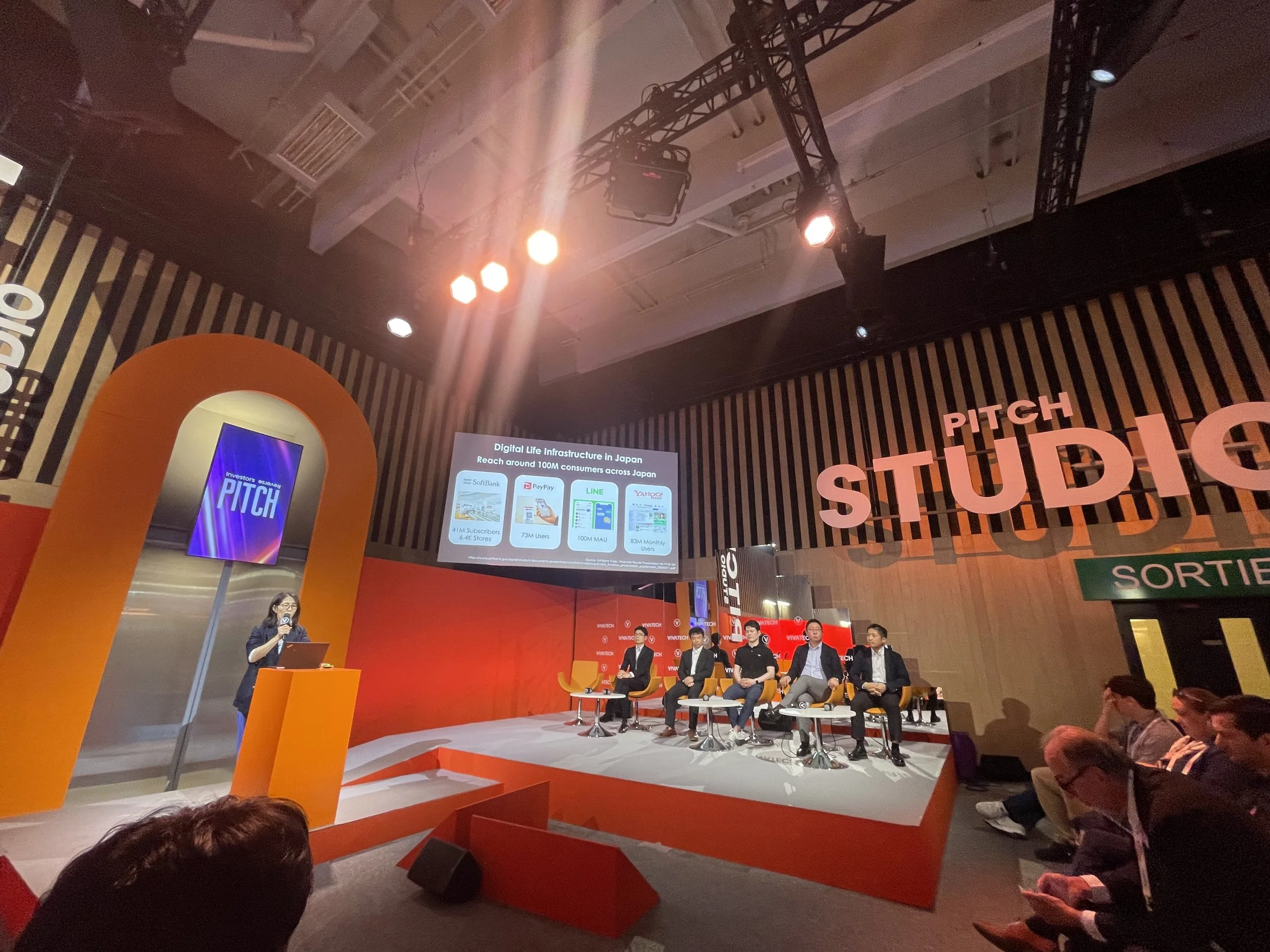
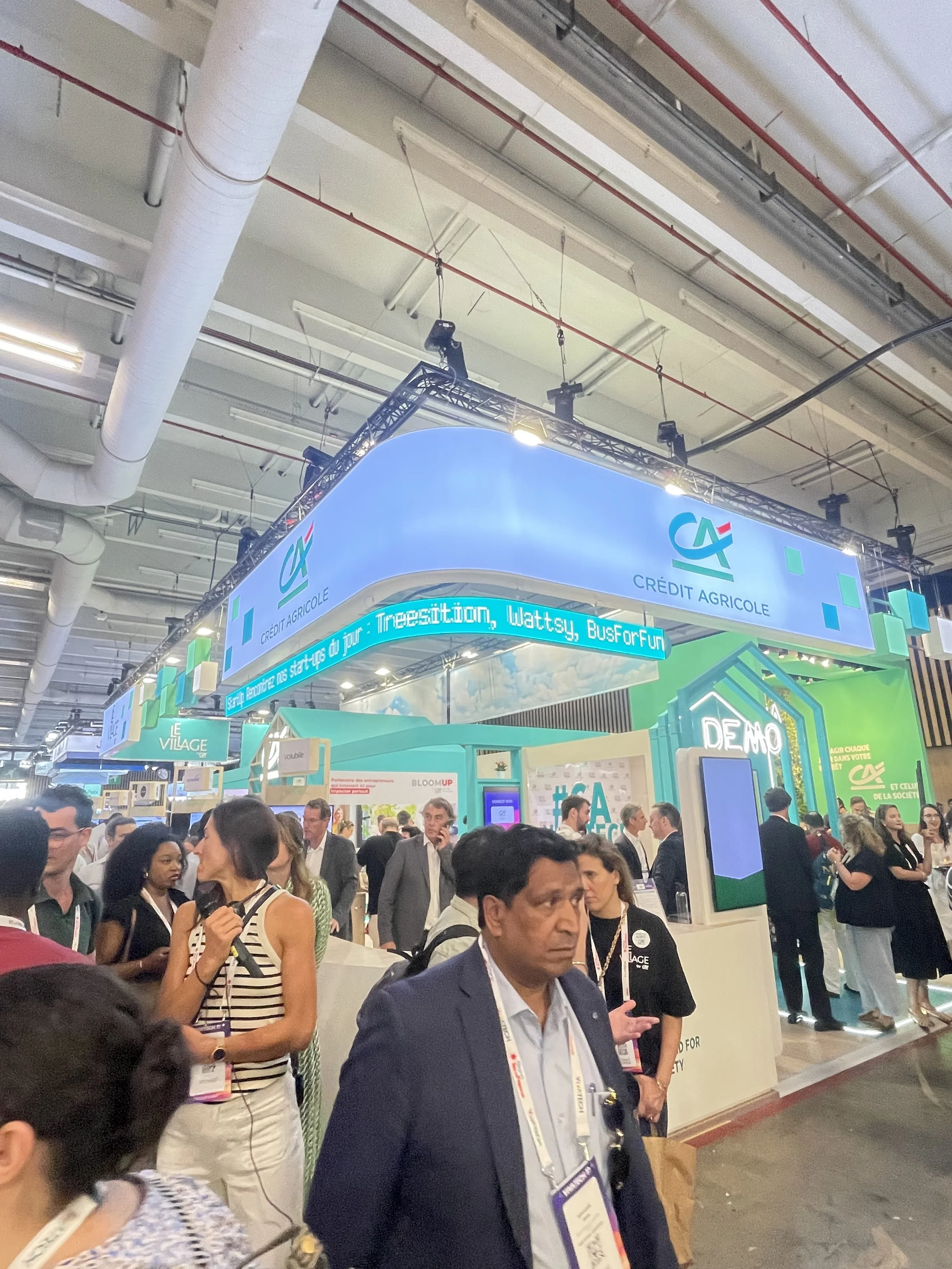
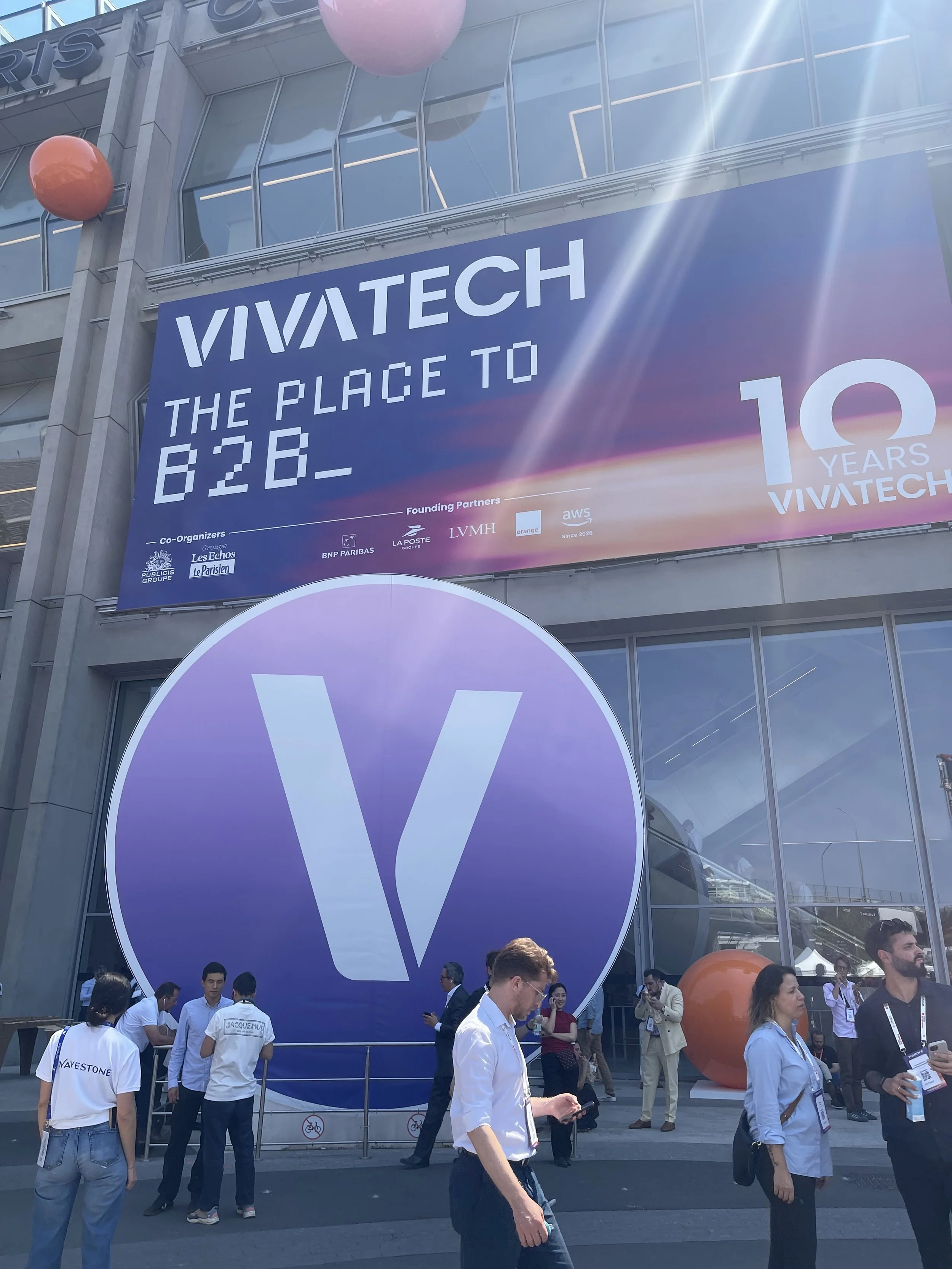
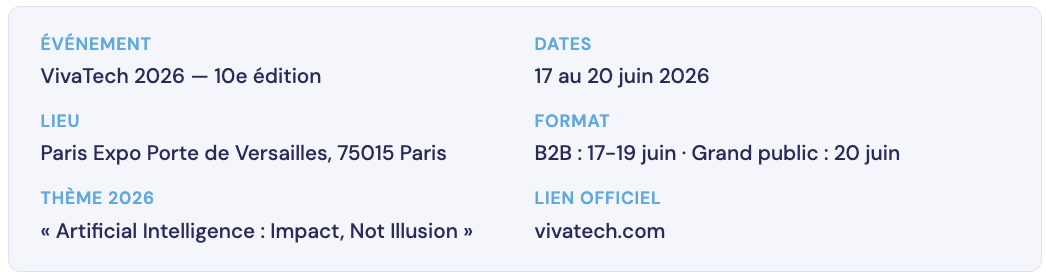
Du 17 au 20 juin 2026, Paris accueille la 10e édition de VivaTech — Viva Technology — le plus grand salon européen dédié à l'innovation, aux startups et à la transformation numérique. Mandalore Partners sera présent lors de cet événement anniversaire, qui se tient à Paris Expo Porte de Versailles, dans le 15e arrondissement de la capitale.

VivaTech, dix ans d'innovation européenne

Lancé en 2016 à l'initiative de Publicis Groupe et Les Echos-Le Parisien Événements, VivaTech s'est imposé en une décennie comme le rendez-vous de référence de l'écosystème tech européen. En dix ans, l'événement a connu une croissance de 300 % de son audience, passant de 45 000 visiteurs lors de sa première édition à plus de 180 000 en 2025, représentant 171 pays.

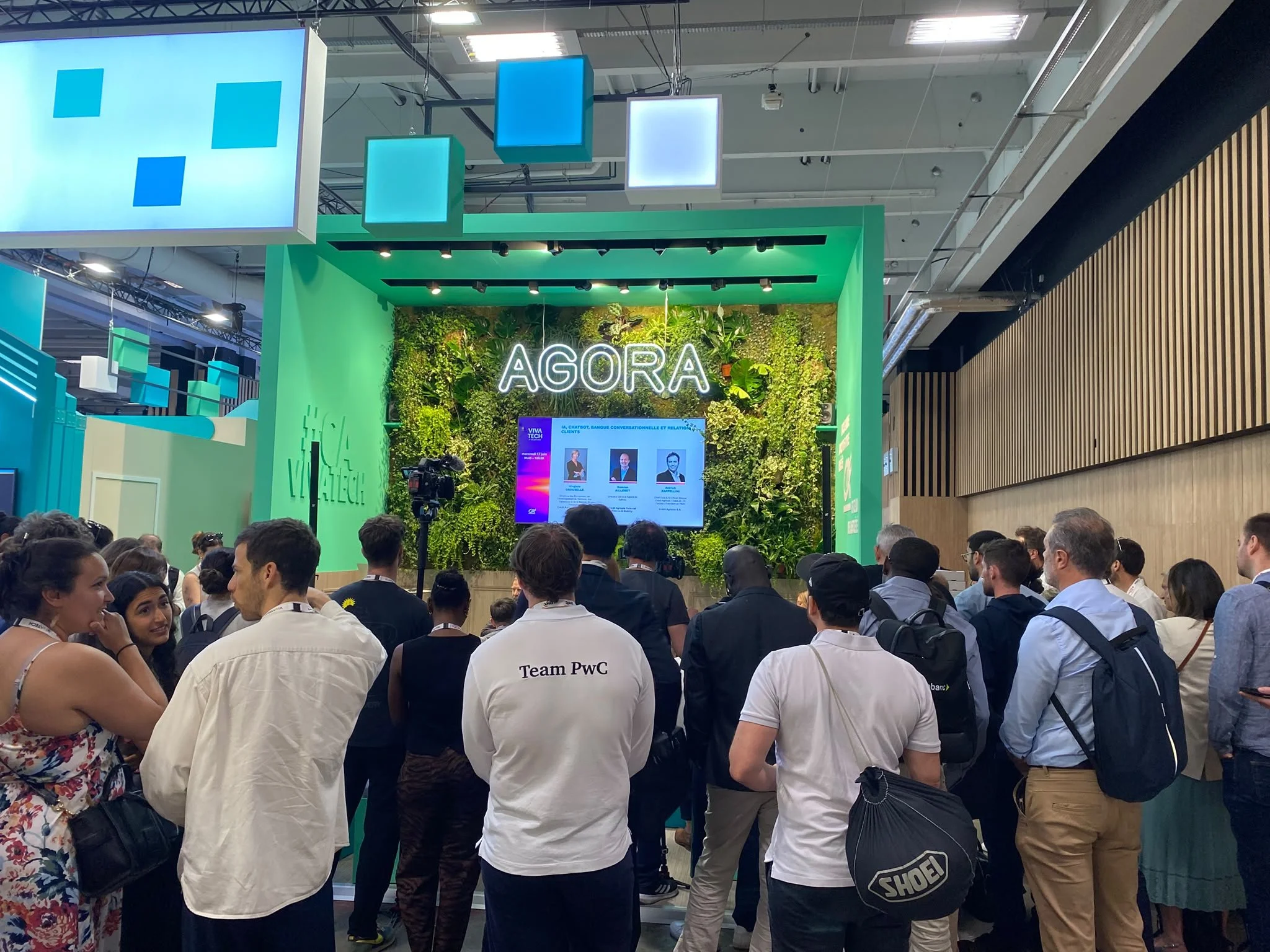
Pour cette 10e édition anniversaire, VivaTech revoit ses ambitions à la hausse. L'événement investit le Hall 7 de Paris Expo Porte de Versailles sur trois étages, avec une surface d'exposition agrandie de 30 %. Quelque 15 000 startups seront présentes, 4 000 investisseurs participent aux rendez-vous business, et plus de 450 intervenants se succéderont sur les scènes, avec une parité affichée de 50 % de femmes. Plus de 1 500 démonstrations en direct et 4 000 rendez-vous d'affaires programmés font de cette édition la plus dense de l'histoire du salon.

Le thème de l'édition 2026 : « AI : Impact, Not Illusion »

La 10e édition se structure autour d'un axe éditorial volontairement ambitieux : « Artificial Intelligence : Impact, Not Illusion ». Ce positionnement reflète la maturité du débat autour de l'IA : après plusieurs années d'enthousiasme autour du potentiel de la technologie, VivaTech 2026 entend recentrer les conversations sur les usages concrets, les résultats mesurables et l'impact réel sur les organisations et la société.

Neuf thématiques structurent la programmation de cette édition :

  • IA & Productivité — interfaces cerveau-machine, agents autonomes, exosquelettes et automatisation cognitive

  • Souveraineté & Éthique — souveraineté numérique européenne, régulation, confiance dans les systèmes

  • Cybersécurité & Défense — résilience des infrastructures critiques, menaces hybrides

  • GreenTech & Énergie — technologies de décarbonation, efficacité énergétique, transitions industrielles

  • Santé & Longévité — IA médicale, medtech, diagnostics augmentés

  • Deeptech — quantum computing, matériaux avancés, biotechnologies

  • Fintech & Marchés — infrastructure financière, embedded finance, actifs numériques

  • Creator Economy & Talents — économie des créateurs, formation et compétences de demain

  • Scale-up & Croissance — stratégies d'internationalisation pour les champions technologiques européens

Un programme exceptionnel pour une édition anniversaire

Au-delà des enjeux thématiques, VivaTech 2026 se distingue par un format élargi. Pour la première fois de son histoire, le salon sort de ses murs : le 14 juin, en avant-première, l'avenue des Champs-Élysées sera piétonnisée pour accueillir une démonstration gratuite et ouverte à tous — robots, drones, IA immersive, mobilité, santé, technologies spatiales. Plus de 35 innovations seront testables en plein air, de 12 h à 18 h.

Les trois premières journées (17, 18 et 19 juin) sont dédiées à un public professionnel — conférences, keynotes, pitchs de startups, rendez-vous d'affaires et networking entre investisseurs, dirigeants et équipes innovation. Le 20 juin se mue en VivaTech Festival, une journée pensée pour les 18-35 ans, autour de l'IA et de la société, de l'économie des créateurs et des talents de demain. Le pays à l'honneur de cette 10e édition est l'Allemagne.

Parmi les intervenants annoncés figurent Bernard Arnault (LVMH), Rodolphe Saadé (CMA CGM), Glenn D. Fogel (Booking.com), ainsi que des représentants institutionnels de premier plan tels que Henna Virkkunen, vice-présidente de la Commission européenne chargée de la souveraineté tech, et Anne Le Hénanff, ministre déléguée chargée de l'IA et du numérique.

Pourquoi VivaTech est un rendez-vous stratégique pour le capital-risque

VivaTech n'est pas uniquement un salon de l'innovation produit. C'est aussi l'un des carrefours les plus denses d'Europe pour les acteurs du financement de l'innovation : avec plus de 4 000 investisseurs enregistrés sur l'édition 2026 et des milliers de rendez-vous B2B organisés en amont, le salon constitue un point de concentration unique du dealflow européen et international.

Pour les équipes VC et les acteurs du financement de l'innovation, VivaTech offre une visibilité transversale sur l'état de l'écosystème startup : des premiers stades (early-stage, seed) jusqu'aux licornes et centaures en quête de capital de croissance. Les thématiques 2026 — IA, deeptech, GreenTech, cybersécurité — correspondent précisément aux secteurs où l'activité d'investissement reste la plus dynamique malgré un environnement de marché qui demande plus de sélectivité.

C'est également un moment privilégié pour observer les tendances qui façonnent l'allocation de capital à l'échelle européenne : quels secteurs captent l'attention des LPs institutionnels ? Quelles géographies gagnent en attractivité ? Quel est l'état réel du marché des sorties ? VivaTech concentre, sur quatre jours, des réponses à ces questions que peu d'autres événements permettent de saisir aussi directement.

Mandalore Partners sera présent

Mandalore Partners — firme de Venture Capital-as-a-Service opérant entre l'Europe et l'Asie du Sud-Est — sera présent à VivaTech 2026 du 17 au 20 juin. Notre présence s'inscrit dans notre démarche continue de veille sur l'écosystème tech, de rencontres avec des fondateurs, des investisseurs et des partenaires corporates, et de participation aux conversations qui façonnent l'avenir de l'innovation en Europe.

Nos secteurs d'investissement — Fintech, InsurTech, IndustryTech et ImpactTech — sont au cœur des thématiques qui structurent VivaTech 2026. L'édition anniversaire, avec son accent sur l'IA, la souveraineté technologique et la GreenTech, constitue un terrain d'observation particulièrement pertinent pour notre stratégie d'investissement et notre mission de connecter entreprises innovantes et grands groupes corporates.

À propos de Mandalore Partners

Mandalore Partners est une firme de Venture Capital-as-a-Service qui opère à l'intersection du capital-risque institutionnel et de l'innovation corporate. Nous offrons à des entreprises et groupes internationaux une capacité VC opérationnelle clé en main — du sourcing de deals à l'animation de comités d'investissement, en passant par le suivi de portefeuille — sans qu'ils aient à construire une équipe dédiée en interne. Nous investissons également en direct, depuis notre propre véhicule, aux côtés de notre base de LPs.

Notre modèle hybride, qui associe VC classique et venture studio, nous permet de co-construire des entreprises avec des partenaires corporates depuis le premier jour. Notre réseau couvre l'Europe et l'Asie du Sud-Est, avec une attention particulière aux flux transfrontaliers d'innovation entre les deux zones géographiques.

Rencontrons-nous à VivaTech

Si vous participez à VivaTech 2026 et souhaitez échanger avec l'équipe Mandalore Partners — que ce soit autour d'une opportunité d'investissement, d'un partenariat corporate ou simplement pour faire connaissance — nous serons disponibles tout au long du salon. Pas besoin d'agenda formel pour initier une conversation.

Retrouvez-nous sur LinkedIn ou contactez-nous directement depuis notre site pour convenir d'un moment. Rendez-vous du 17 au 20 juin à Paris Expo Porte de Versailles.

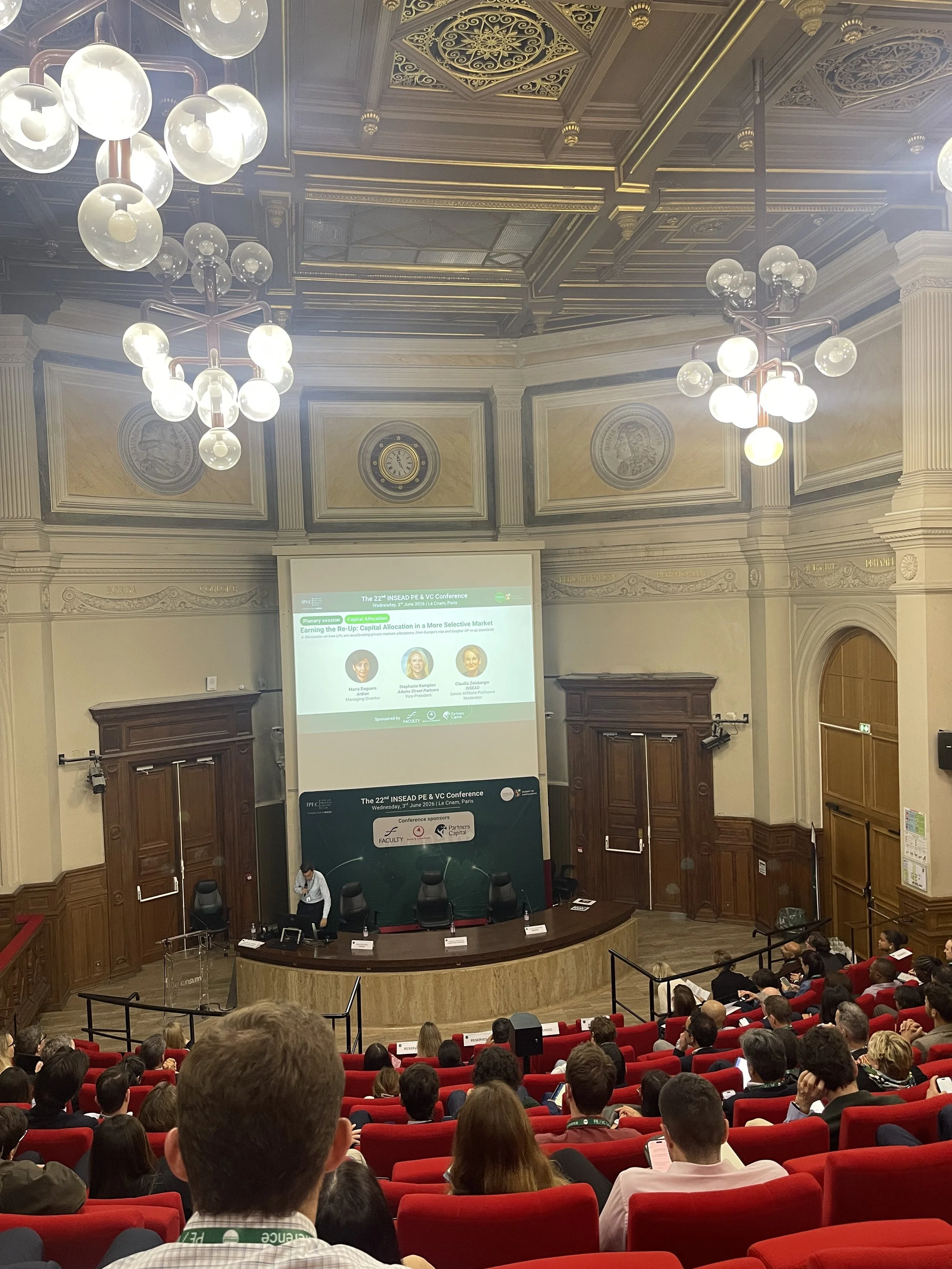
What Europe's Private Capital Actually Thinks Right Now

Why this conference is a signal worth reading

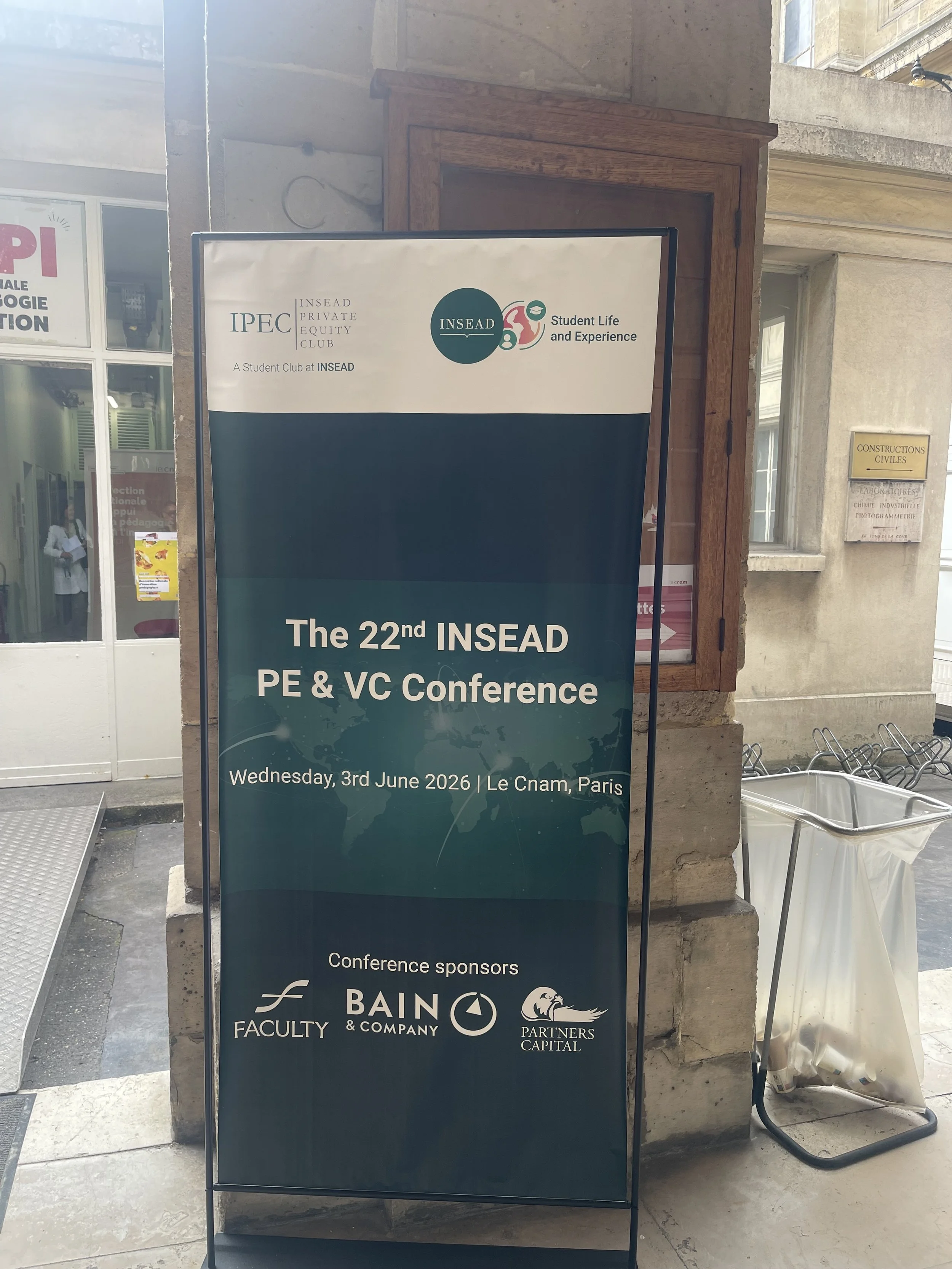
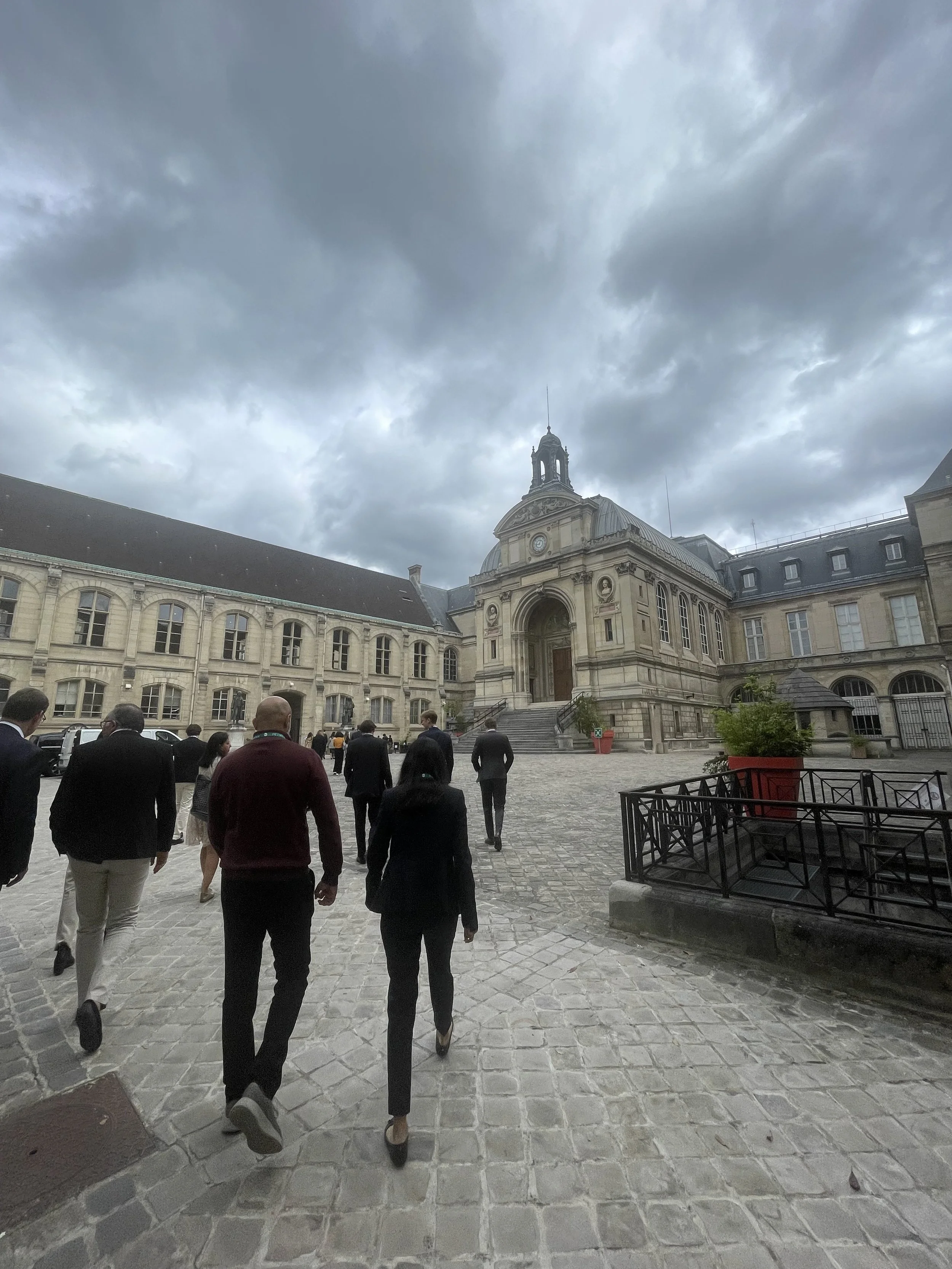
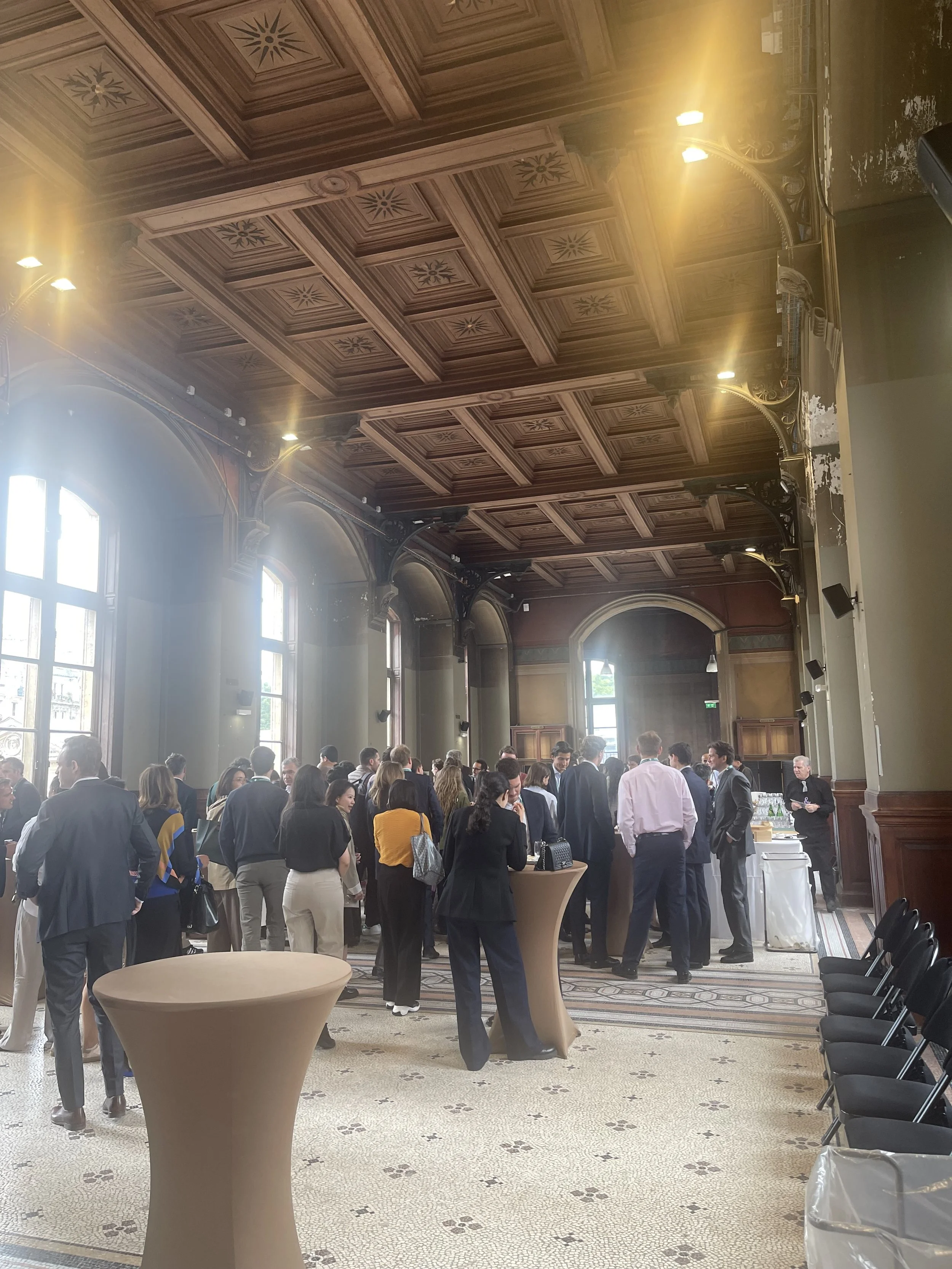
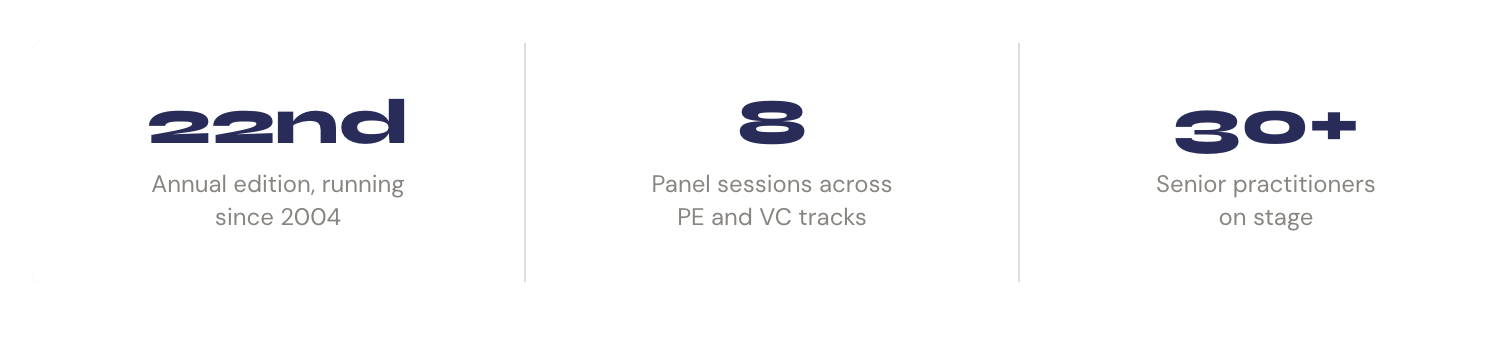
The INSEAD Private Equity Club (IPEC) has been running this conference for 22 years. What makes it unusual is its audience mix: LP allocators, GP principals, investment bankers, and a dense layer of INSEAD alumni now running funds or managing assets for large institutions. It is not a marketing event. The Chatham House rule keeps it honest.

This year's theme — implicit rather than stated — was recalibration. Not crisis. Not euphoria. Something in between: a market that has processed the rate shock, survived the distribution drought, and is now sorting out which managers, strategies, and asset classes deserve capital at a higher cost of it.

Eight sessions ran across two tracks: a Plenary room that opened with LP dynamics and closed with infrastructure, and parallel PE/VC breakouts that ran from early afternoon. I took notes across all of them. What follows is my read of the room — the tensions, the surprising consensuses, and the questions the industry hasn't answered yet.

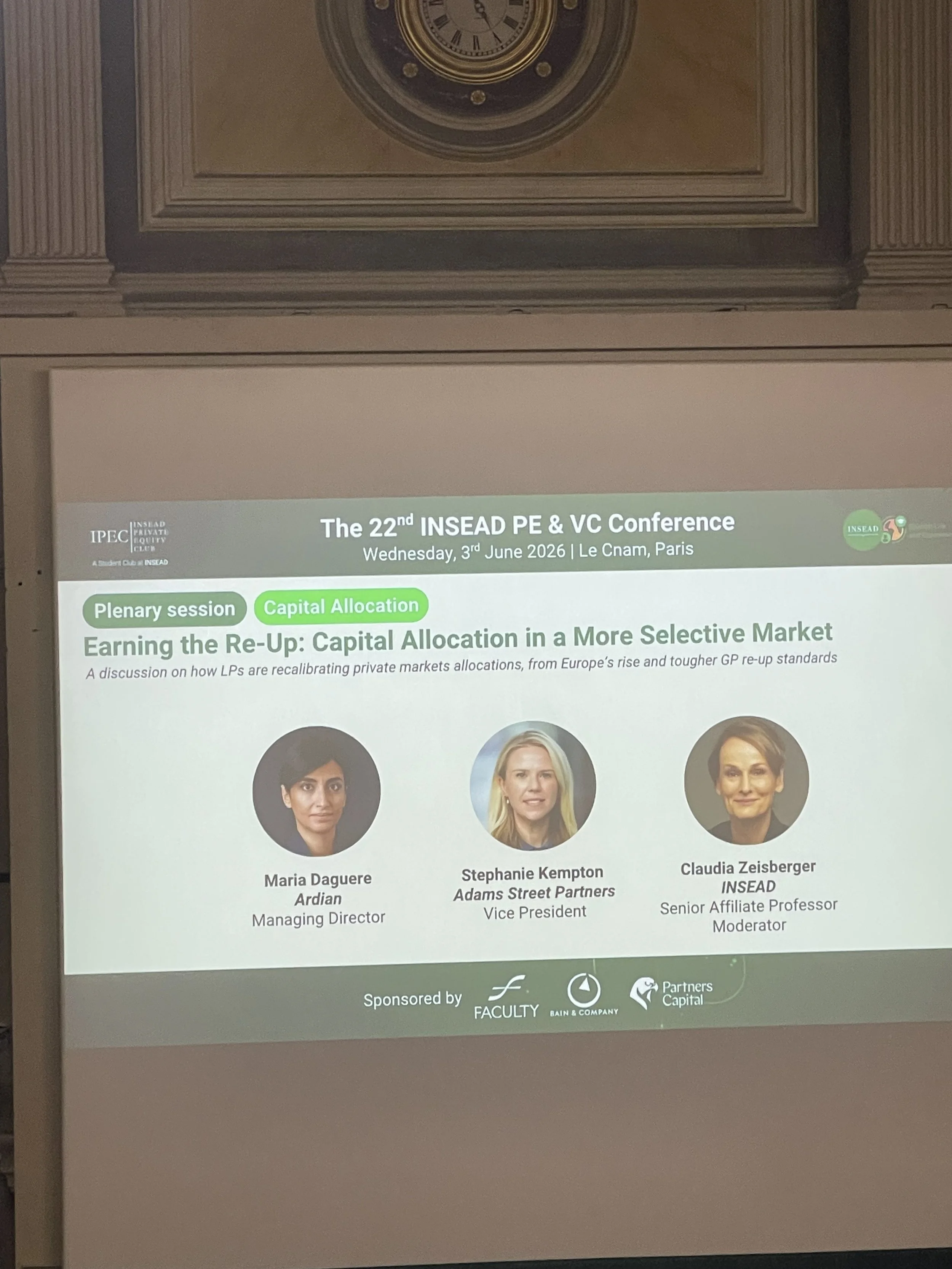
Session 01 · Plenary

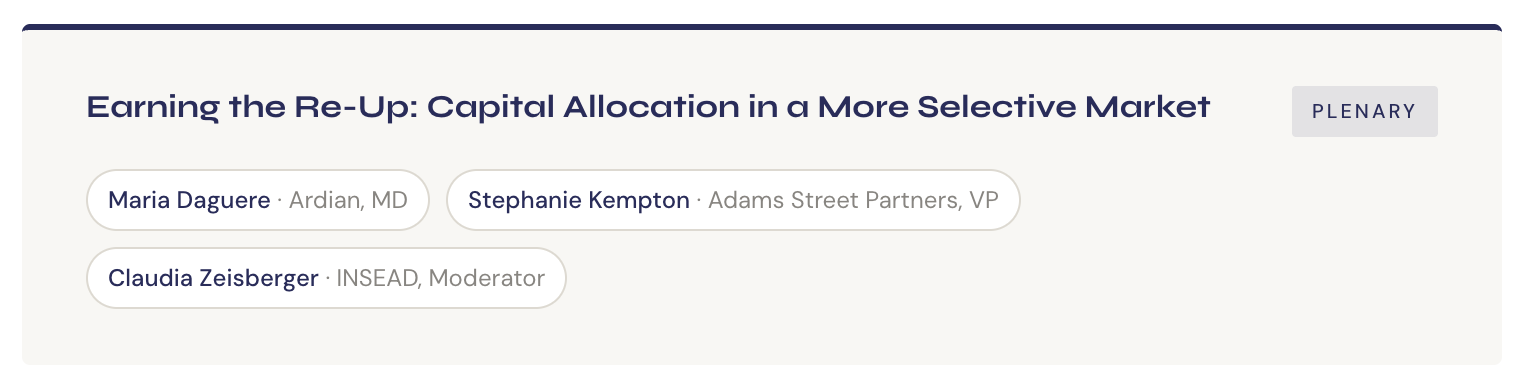
Capital Allocation: Earning the Re-Up in a More Selective Market

The opening panel set the table for the whole day. The question wasn't whether LPs are reducing allocations to private markets — they're not, broadly — but rather who gets the capital when denominator effects, liquidity constraints, and rising rates all tighten the filter simultaneously.

Two things stood out from this session. First, the re-up conversation has fundamentally changed. In the 2021 vintage environment, LPs re-upped based on brand, relationships, and paper markups. Today, they want distributions. Not just multiples — actual cash returned. Managers who haven't returned capital face a harder conversation at Fund IV or V, regardless of the unrealized portfolio quality narrative they put forward.

Second, Europe is gaining allocation share against North America in a real way. This is a genuine structural shift, not a temporary swing. The drivers: lower entry multiples, less crowded deal markets in most sectors, more attractive macro relative to US stretched valuations, and — increasingly — a currency argument that institutional investors in the US are starting to listen to. European GPs who can articulate a clear differentiated edge are finding LP conversations markedly easier than three years ago.

"The bar for a re-up used to be 'do I trust this team?' Today it's: 'has this team actually returned my capital?' Trust is necessary. It is no longer sufficient."

Captured under Chatham House rules · Capital Allocation panel

The third thread in this conversation was the fragmentation of LP types. Sovereign wealth funds, US endowments, European insurers, and family offices are all moving differently. The SWF and endowment crowd is consolidating GP relationships — fewer managers, larger tickets, deeper partnerships. European insurers are the most constrained by Solvency II capital charges and are looking for structures that minimize balance sheet impact. Family offices are the most opportunistic and the fastest to act, but the least predictable on follow-on.

For anyone raising or planning to raise a fund in the next 18 months: the message was direct. Focus on your distribution story before your valuation story. Know your LP type and structure accordingly. And if you're European, lead with your European-ness — it is an asset right now, not a handicap.

Session 02 · Plenary

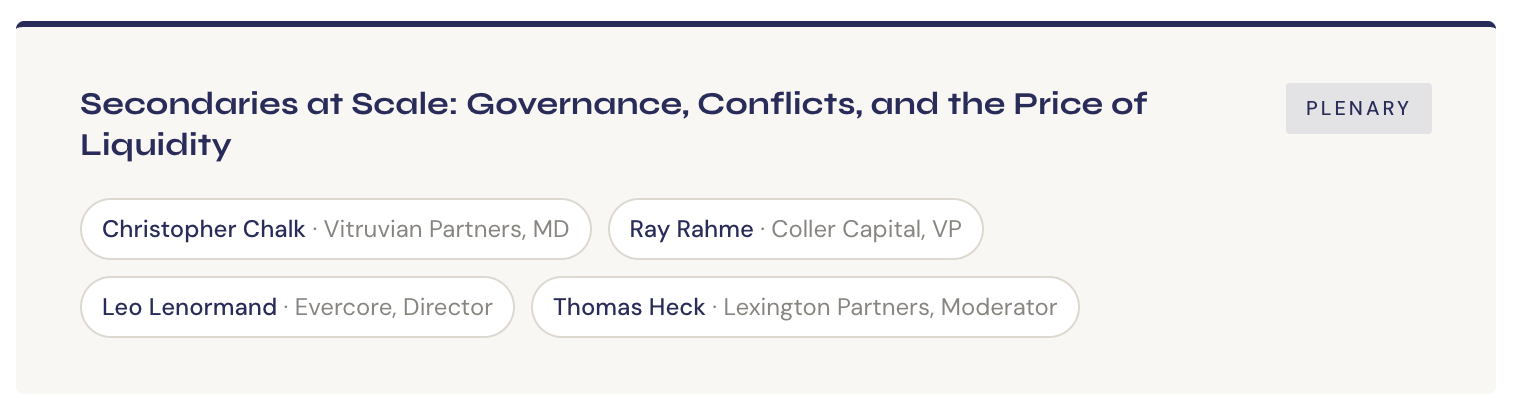
Secondaries: Governance, Conflicts, and the Price of Liquidity

If the first session was about LPs making choices, this one was about GPs engineering liquidity when the natural exit market isn't cooperating. Secondaries have gone from niche tool to structural feature of private markets — and the panel made clear this is not a temporary workaround but a permanent evolution.

The secondary market has roughly tripled in volume in the past five years. What changed: the rise of GP-led continuation vehicles as the dominant deal structure. In a GP-led deal, the original GP offers existing LPs a liquidity option while rolling top-performing assets into a new vehicle. It sounds clean. The room's discussion was frank about the tension: the GP simultaneously plays advisor to selling LPs and buyer of the assets being sold. That is a real conflict, and the industry's self-regulatory response has been uneven.

"GP-led is not inherently conflicted. It is inherently a structure where the conflict has to be managed explicitly, transparently, and with third-party validation. When that discipline holds, it works. When it doesn't, it's a transfer from LP to GP."

Captured under Chatham House rules · Secondaries panel

The pricing discussion was nuanced. Secondary discounts to NAV have compressed significantly from the 30-40% levels seen in 2022-2023. In quality assets with strong cash flows and credible GP track records, the market is trading close to or at NAV — sometimes above in competitive processes. The implication: the easy vintage of buying distressed secondaries at massive discounts is largely over. Future returns in secondaries will require more genuine asset selection skill, not just price arbitrage.

One practical angle for the audience: for corporate LPs with illiquid PE allocations, the secondary market is increasingly a viable exit tool — not a last resort. The liquidity premium is much lower than it was. GPs with well-performing portfolios should be proactively educating their LPs on this option rather than waiting for LPs to ask.

Session 03 · Plenary

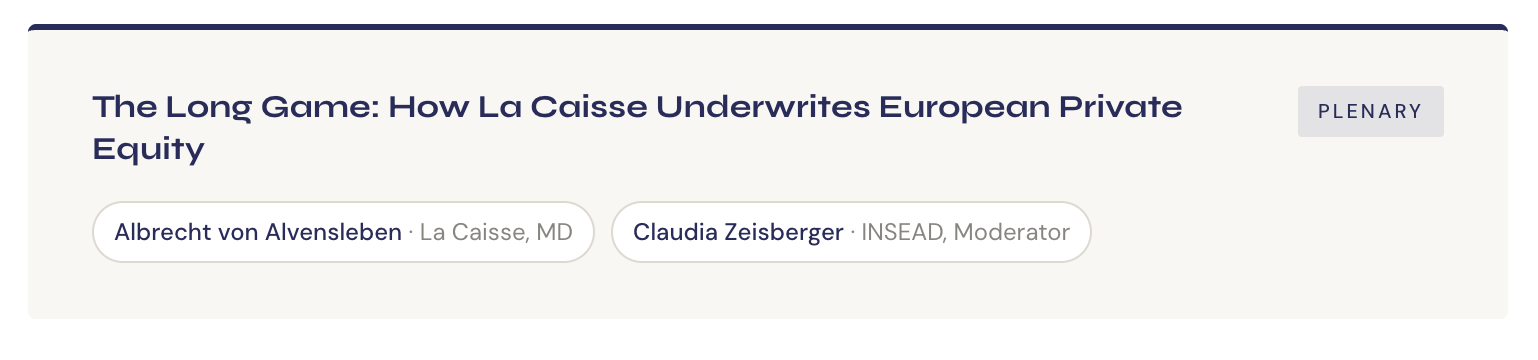
The Long Game: How La Caisse Underwrites European Private Equity

La Caisse de dépôt et placement du Québec manages over $450bn in assets and is one of the most sophisticated institutional investors in European private equity. This session was genuinely illuminating because it offered a long-horizon LP's unfiltered view of the current cycle — not the polished version that ends up in LP communications, but the practitioner's read.

The core message: conviction is now the differentiating currency. In a more selective capital allocation environment, La Caisse is choosing to concentrate relationships with fewer GPs where they have deep conviction about the team, the thesis, and the alignment. The era of allocating broadly across a large roster of GPs as a diversification strategy is over for sophisticated allocators. Portfolio concentration with high-conviction managers is the direction.

On the question of when to sell — something LPs rarely discuss publicly — the session was surprisingly candid. The classic LP posture is to hold through the fund life and accept whatever exit the GP engineers. La Caisse's approach is more active: they model exit scenarios at the GP level and engage proactively on exit timing when they believe a GP is holding too long into a deteriorating strategic window. This is a real shift from passive LP to something closer to an engaged strategic co-investor.

GP discipline came up repeatedly. What does discipline mean right now? Not deploying capital at peak prices just to put money to work. The vintage problem is real: funds raised in 2021-2022 at peak entry multiples are sitting on portfolios that will be very hard to exit at the marks. GPs who didn't invest during that window are well-positioned for the current deployment environment. That differentiation is increasingly visible to sophisticated LPs.

Key LP signal

Sophisticated allocators like La Caisse are consolidating around fewer, higher-conviction GP relationships. If you're a first or second-time fund manager without a demonstrable edge, the access to these LPs is closing. The window for brand-new entrants to access institutional capital is narrower than it was — and it requires a much stronger proof-of-concept.

Session 04 · PE Track

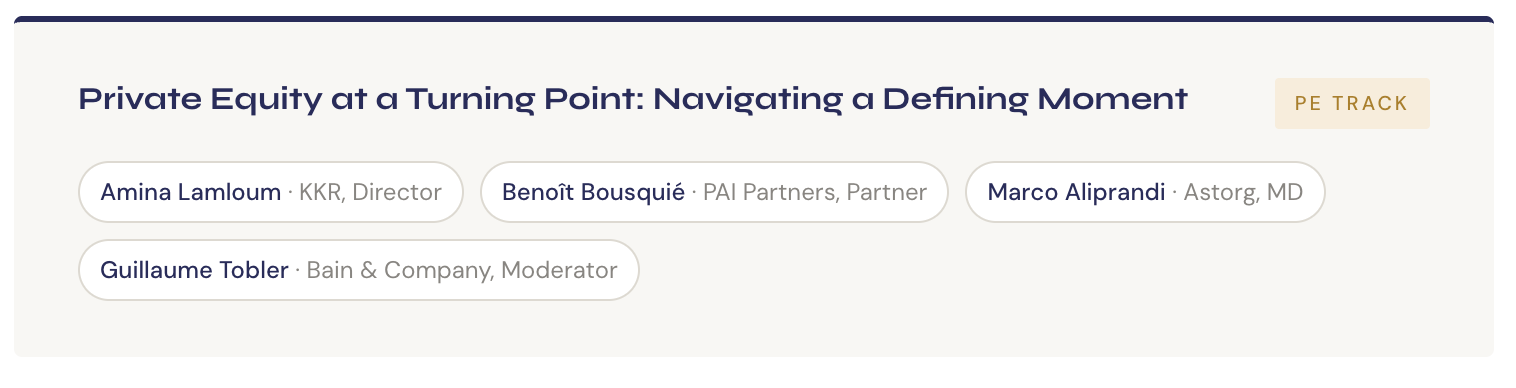
Private Equity at a Turning Point

The afternoon PE track opened with the most direct conversation of the day about the reality of buying and building companies in 2026. The panel — KKR, PAI, and Astorg — represent a useful cross-section: global mega-fund, European large-cap specialist, and European mid-market specialist. Their views converged more than they diverged, which itself is a signal.

The deployment dynamics have normalized. After the near-freeze of 2023, deal activity in European PE has recovered — particularly in the mid-market, where sellers have become more realistic on valuation. The bid-ask spread has compressed meaningfully, which is a necessary condition for deal flow. The strategic rationale for many transactions has also shifted: less multiple expansion thesis, more operational transformation thesis. GPs are underwriting to operational improvements, margin expansion, and geographic expansion rather than betting on re-rating.

Operational excellence came up repeatedly as the defining capability gap between GPs. The days when financial engineering — leverage optimization, cost cuts, multiple arbitrage — could drive the bulk of value creation are structurally over in a higher rate environment. What replaces it: genuine operational transformation capacity, which means embedded operational teams, proprietary value creation playbooks, and the ability to attract C-suite executives to portfolio companies. This is harder to build than a financial model. Firms that have invested in this capability for years are now seeing the payoff.

Session 05 · VC Track

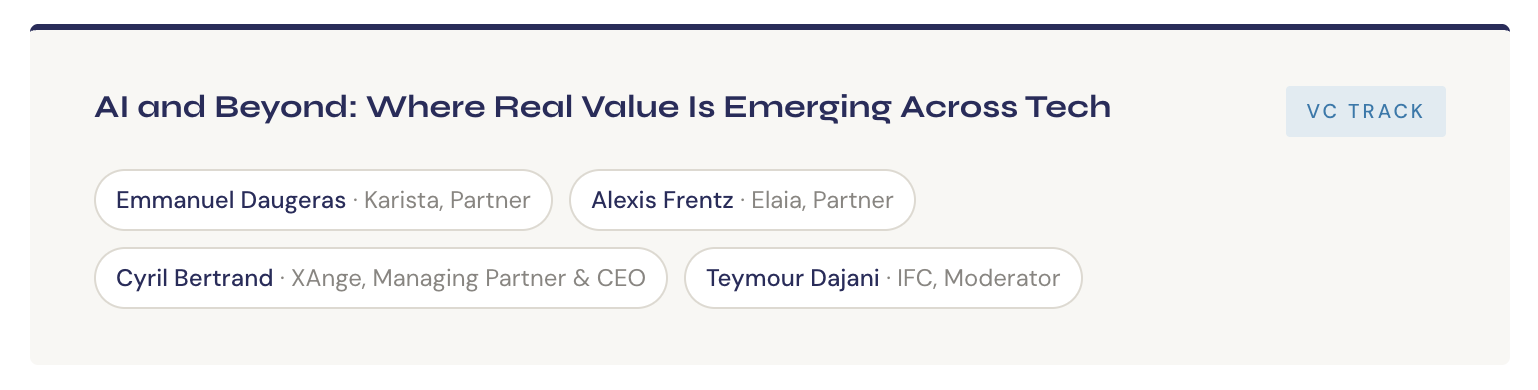
AI and Beyond: Where Real Value Is Emerging Across Tech

This was the session the room was most eager for — and it largely delivered. Three experienced European VC investors, no slides, talking candidly about how the AI wave is sorting itself out from an investment perspective.

The starting point: the AI investment landscape in Europe is not the same as in the US. There is no European OpenAI, no European Anthropic. The infrastructure layer — foundation model training, data center buildout, GPU economics — is largely playing out in the US and in a handful of hyperscaler-adjacent contexts. Where European VC can genuinely win is in AI application to vertical sectors: insurance, healthcare, legal, logistics, manufacturing, and financial services. Not the picks-and-shovels game — the specific application layer where domain knowledge and regulatory fluency create defensible positions.

"Everyone is building on top of GPT-4 or Claude. That is not a moat. The moat is the data, the domain knowledge, the regulatory relationship, and the customer trust that a pure software company cannot replicate. Europe has those in abundance — in insurance, healthcare, industrial sectors."

Captured under Chatham House rules · AI/Tech VC panel

The panel was notably skeptical of "AI wrapper" companies — tools that simply put a chat interface on top of a foundation model without proprietary data or genuine workflow integration. The filter question from investors has shifted: not "does this use AI?" but "what happens to this company when GPT-6 ships and makes this specific capability commodity?" Companies that can't answer that question don't get funded in the current environment.

What does pass that filter? Companies with a proprietary data flywheel — where using the product generates data that trains better models that attracts more users. Healthcare diagnostics on rare disease data. Insurance underwriting on unique actuarial datasets. Legal document analysis on specialized case law. These are compound advantages that are genuinely hard to replicate, and European startups in these verticals are meaningfully ahead of US equivalents in several regulatory jurisdictions.

On valuations: the AI premium has compressed from the 2023-2024 highs. Seed-stage AI companies are still getting aggressive terms, but Series A and B rounds have normalized significantly. Investors now expect revenue traction, not just demo video traction. This is healthy.

Session 06 · PE Track

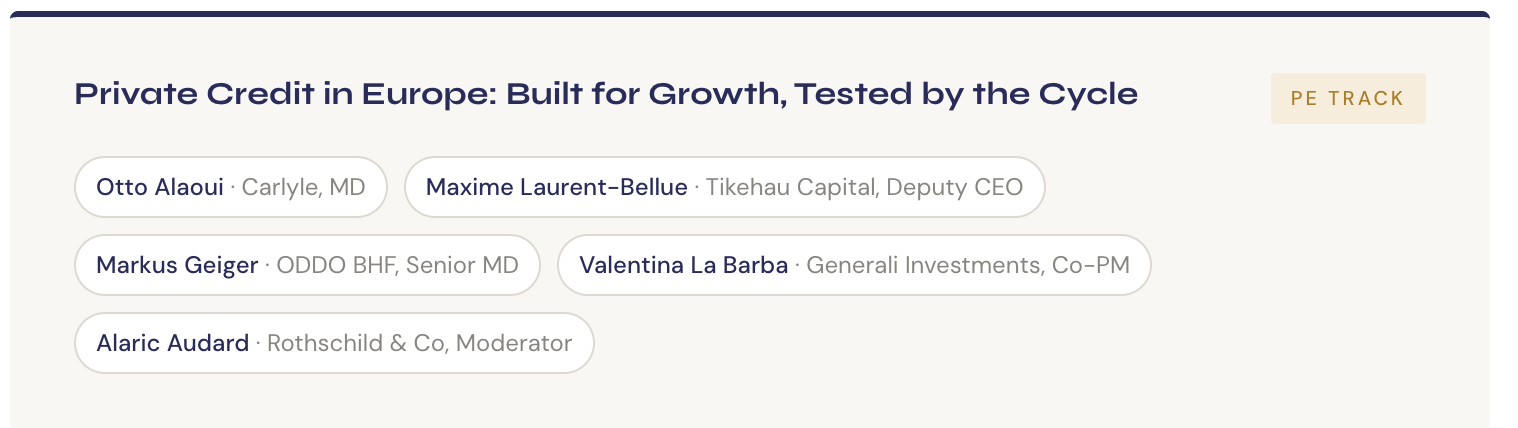
Private Credit in Europe: Built for Growth, Tested by the Cycle

Private credit has been the story of European private markets for the past three years. The capital has flowed in, spreads have compressed, and the cycle is now stress-testing whether the underwriting was disciplined or just yield-chasing dressed up in covenant language.

The panel was honest about the bifurcation in the market. Quality direct lending — first lien, core middle market, covenant-heavy, well-diversified portfolios — is performing as expected. The stress is showing up at the edges: over-leveraged LBOs that were financed at peak valuations with loose covenants, CLO tranches with concentrated exposures, and some sector-specific stress (retail, commercial real estate adjacents, certain tech names). These are manageable at the portfolio level but are visible in loss reserves.

The most interesting structural theme: European banks are not coming back as the primary source of mid-market credit. Basel IV capital requirements, regulatory pressure on leveraged lending, and ongoing balance sheet management by European banks mean the structural gap that private credit filled from 2015 onwards is permanent. The market is not overcrowded — it is meeting genuine demand that will not disappear.

One tension surfaced clearly: covenant-lite structures have arrived in Europe, imported from the US leveraged loan market through large sponsor transactions. The panel had mixed views. Some see it as market maturation. Others see it as the precise mechanism through which the next credit cycle casualty will emerge. Watch this space.

From a corporate LP perspective — particularly insurers with Solvency II frameworks — private credit offers something genuinely useful: duration-matched cash flows with spread pickup over public bonds. The regulatory treatment under Solvency II for qualifying private credit instruments has improved, and several European insurers on the room are actively building allocations. Generali's presence on this panel was telling.

Session 07 · VC Track

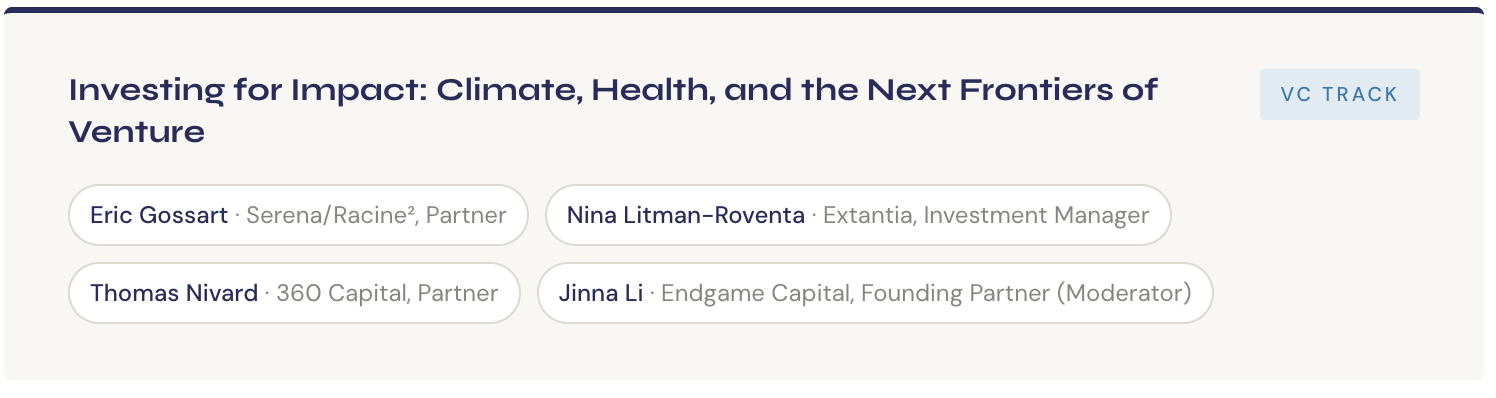
Investing for Impact: Climate, Health, and the Next Frontiers of Venture

The impact and sustainability session could have been — and in past years occasionally was — a performance of values rather than a serious investment conversation. This year's version avoided that trap. The panel took a notably rigorous stance: impact investing either delivers financial returns or it doesn't get called impact investing. The era of accepting concessionary returns in exchange for mission alignment is over in the institutional LP community.

What that means in practice: climate and health VCs are now building genuine dual-return theses where the environmental or social outcome is embedded in the business model itself, not layered on top. The strongest examples are in insurance-linked climate products (parametric climate risk, cat bond structures), precision medicine where the health outcome drives the commercial outcome, and industrial decarbonization where the carbon cost saving is the P&L upside.

Extantia's framework was particularly sharp: they only invest in companies where the climate tech is also the most economically efficient solution — not a subsidy-dependent alternative. If the tech only works with carbon pricing at €150/tonne, it's not investable yet. If it works at €50, it is.

  • Impact rigor is now a GP differentiation story, not just a regulatory compliance story — LPs are scrutinizing impact claims like they scrutinize financial claims

  • The insurance industry is the largest underwriter of climate risk globally and therefore the most natural corporate partner for climate-tech startups with parametric or risk-transfer components

  • Health impact investing is bifurcating: real biotech (long-horizon, science-driven) and digital health (faster, higher iteration rate) require very different fund structures

  • Blended finance structures — concessional capital from development banks layered with commercial VC — are becoming mainstream for climate-adaptation plays in emerging markets

Sessions 08 & 09 · PE + VC Track

Infrastructure & Venture Exits: The Two Longest Roads

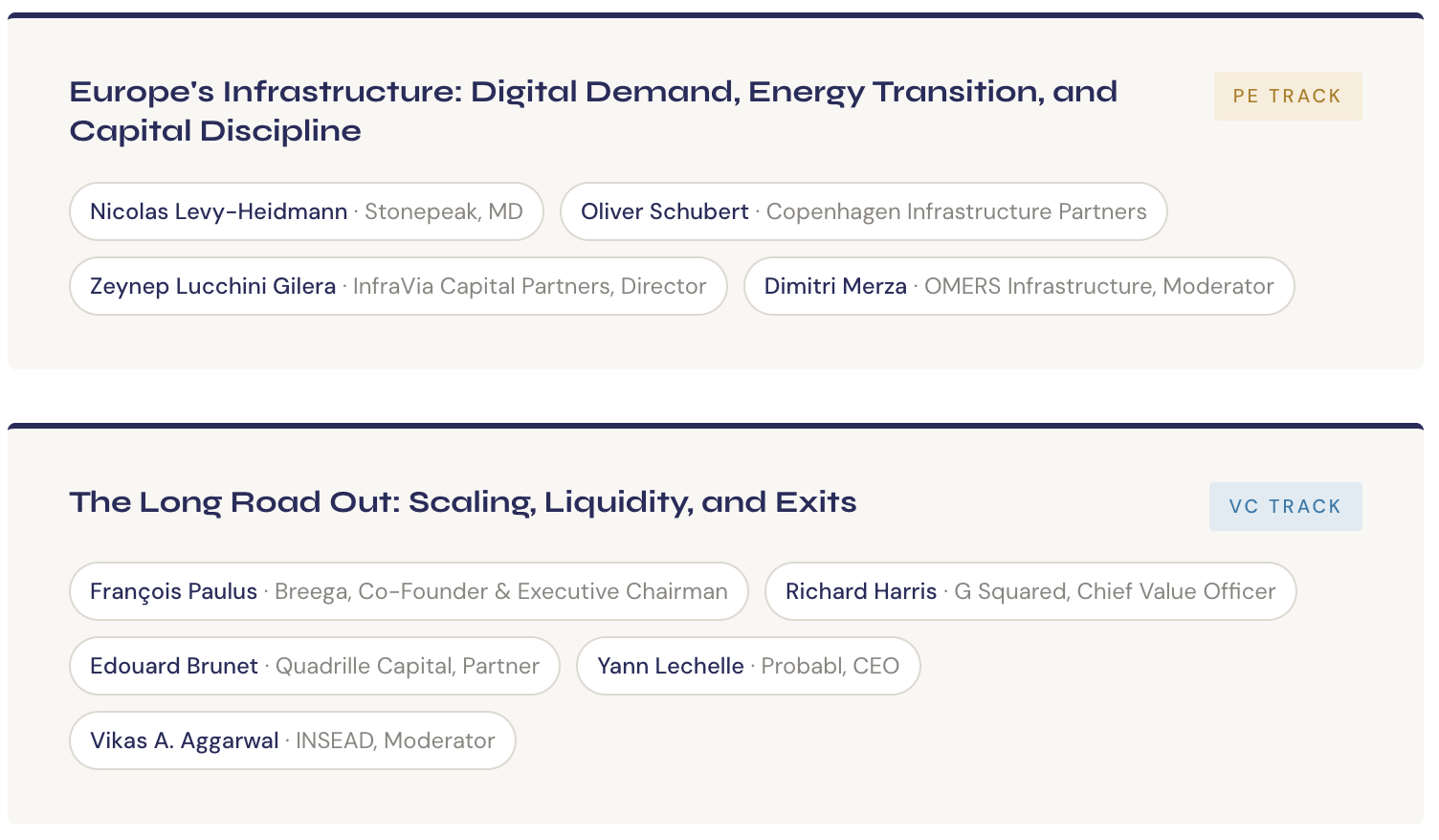
Infrastructure: The Buildout is Real, the Capital Discipline is Uneven

European infrastructure is in the middle of a genuine supercycle — energy transition, digital infrastructure (data centers, fiber, towers), and transport decarbonization are all creating large-scale capital deployment opportunities. The panel was bullish on the structural opportunity and more measured on execution risk.

The speed-to-power problem dominated the energy transition discussion. Europe's electricity grid cannot absorb the renewable capacity being built fast enough. Interconnection queues are years long in most markets. This is not just a planning problem — it is a fundamental capital allocation risk for new renewable assets. Projects that can secure grid connection have a significant competitive advantage. Projects underwriting against speculative grid access are financing delays and write-downs.

Data centers are the headline story, and the panel's view was nuanced: data center demand is real and structural, but the GP edge is in the details of site selection, power procurement, and cooling infrastructure — not just in signing a hyperscaler anchor tenant. Commoditized data center platforms without differentiated power access will face margin compression.

Venture Exits: Patience Required, Innovation in Structure

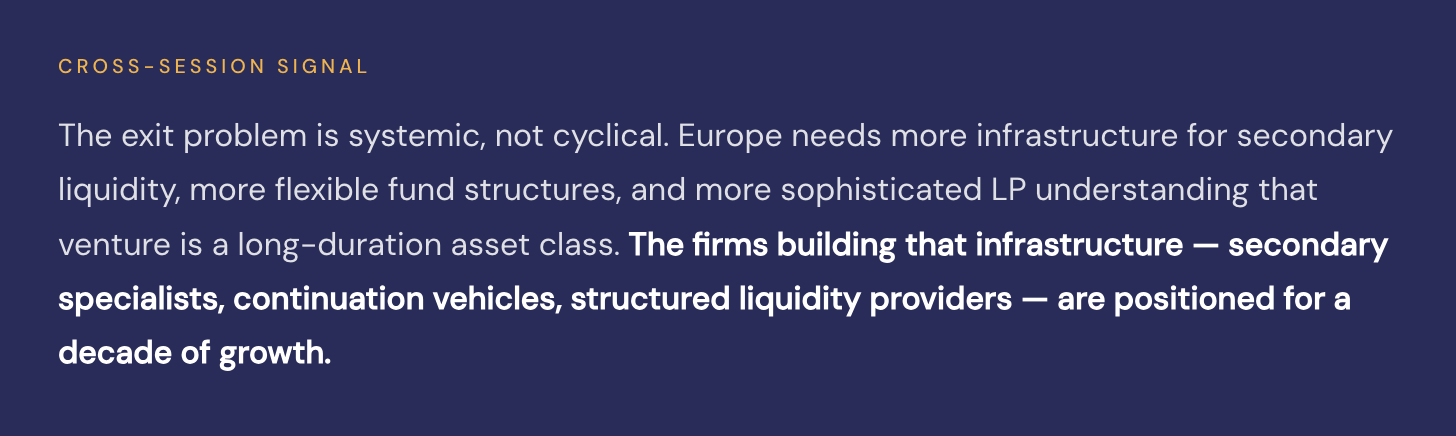
The VC exits session was the most candid conversation of the day. The European VC market has not solved its exit problem. IPO windows are episodic, strategic acquirers are selective, and the secondary market for late-stage private shares is thinner than in the US. The result: hold periods have extended from the classic 7-year fund life to 10-12 years for many assets, and funds are exploring structural innovations to manage the mismatch.

G Squared's role — providing secondary liquidity to startup employees and early investors before formal exit — generated a revealing discussion. The demand for this kind of structured liquidity is substantial. Founders who have built companies for 8-10 years, early employees with paper gains but no cash, early angels looking to rebalance — all are customers for secondary liquidity services that the European market is still under-serving.

Probabl's CEO brought a founder's perspective: the pressure to exit is often misaligned with the business's optimal scaling trajectory. The best outcomes require patient capital that can hold through multiple market cycles — and European venture funds with 10-year lives and limited flexibility are not always the right structure for category-creating companies.

Perspective

What This Means from a CVCaaS Angle

I attend this conference every year because it's one of the clearest mirrors for the market dynamics that shape our work at Mandalore Partners. We operate at the intersection of corporate LPs and the venture ecosystem — which means the signals from both the LP allocation panel and the VC exit panel are directly relevant to how we structure programs and advise corporate clients.

Three signals from today that I'm taking back to the office:

1. The LP sophistication bar is rising — and that's good for specialized structures

Corporate LPs — insurers, mutuals, banks — are being pushed by their institutional peers to think more rigorously about private markets allocation. The message from La Caisse's session, translated to the corporate LP context: broad allocation to many managers doesn't work at scale. A structured CVC program with a clear sector thesis, a defined role in the deal flow ecosystem, and a professional management model delivers better outcomes than an ad-hoc portfolio of minority PE bets. This is the argument at the heart of what we build.

2. AI applied to insurance and financial services is the European VC opportunity

The AI/Tech panel's consensus — European VCs win in vertical application, not foundation model infrastructure — maps directly to our InsurTech thesis. The most durable AI companies in insurance will be built by teams that combine machine learning capabilities with deep regulatory knowledge, proprietary actuarial data, and distribution relationships that require years to build. These are companies that need a strategic corporate partner as much as they need a financial investor. That is precisely where CVC-as-a-Service adds value that pure financial VC cannot.

3. The private credit opportunity for European insurers is structural, not tactical

Several of the corporate LPs we work with are in the insurance sector. The private credit session confirmed what we're hearing in conversations: well-structured private credit allocation is becoming a standard component of European insurer investment portfolios, driven by Solvency II optimization, liability duration matching, and spread pickup over public bonds. For insurers without the internal infrastructure to source and underwrite private credit directly, a managed program with an aligned GP is the answer. There's a product development opportunity here that we're actively exploring.

Across all sessions, the day reinforced a single theme: private markets are maturing from a relationship-driven cottage industry to a professionalized institutional asset class. The players who win in that transition are those who can combine institutional discipline with genuine differentiation — in sourcing, operations, governance, or sector knowledge. That transition is our strategic moment.


The 22nd INSEAD PE & VC Conference confirmed what the data has been suggesting: European private markets have absorbed the rate cycle, are normalizing deal activity, and are entering a phase where differentiation — not beta — drives outperformance. The winning themes are clear: operational PE over financial engineering, vertical AI over infrastructure hype, rigorous impact over performative ESG, disciplined credit over covenant-lite chasing.

For corporate LPs sitting on the sidelines of venture capital, the message is equally clear: the structural case for private markets exposure is stronger than it was in 2021, the entry points are better, and the infrastructure to participate without building an internal team from scratch exists. Waiting for perfect conditions is itself a strategic choice — and not necessarily the right one.

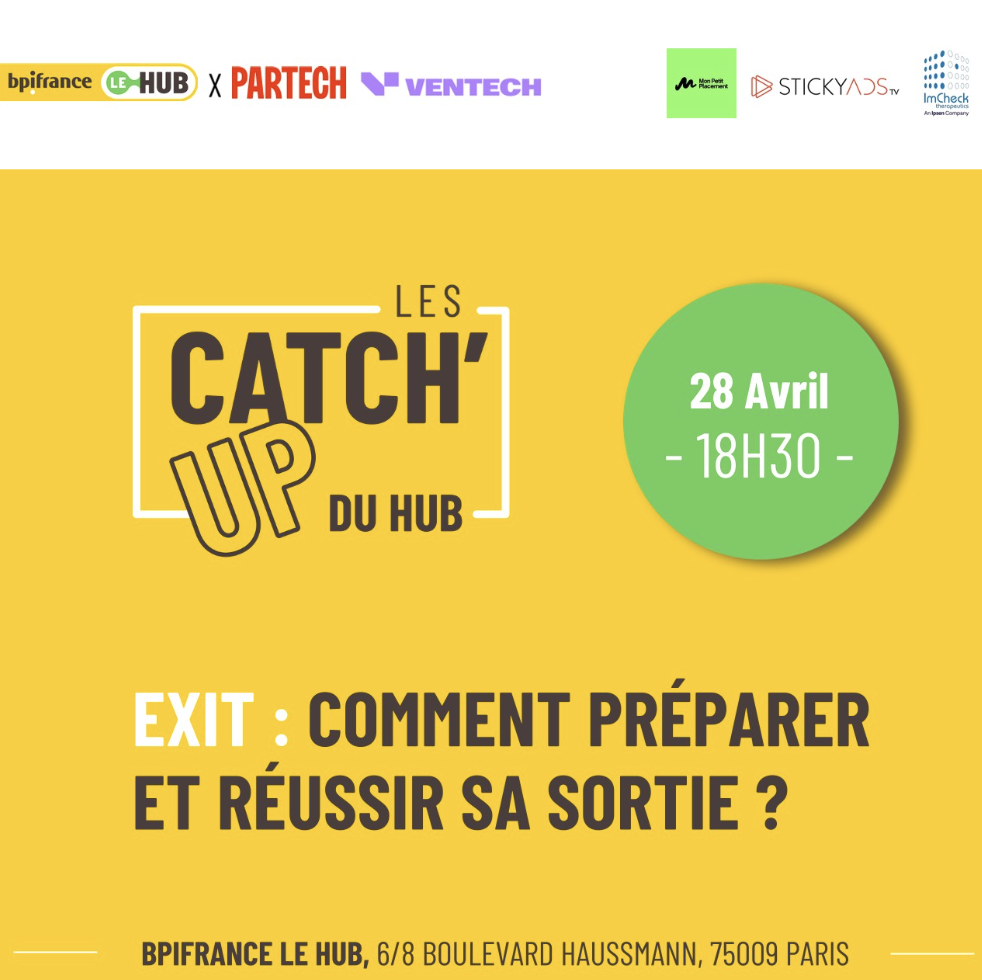
Exit startup : comment préparer et réussir sa sortie ?

Retour sur la soirée exceptionnelle organisée par Bpifrance Le Hub, Ventech et Partech avec les fondateurs d'ImCheck Therapeutics, StickyADS.tv et Mon Petit Placement

Source : https://www.linkedin.com/posts/bpifrance_bpifrance-le-hub-catchup-du-28-avril-activity-7452370620102807552--BtI?utm_source=share&utm_medium=member_desktop&rcm=ACoAAAAIHtkBtjLOoOGIogPh2Fto07GxubTliZo

Pourquoi l'exit n'est pas une option, c'est une étape

Pour une startup financée en capital-risque, la question de la sortie n'est pas "si", mais "quand". Pourtant, dans un marché où les IPO se raréfient, où les acquisitions ralentissent et où les acheteurs se montrent plus sélectifs, préparer son exit est devenu un art à part entière — qui se travaille bien en amont du moment décisif.

C'est précisément le constat qui a réuni, le 28 avril 2025 à Paris, trois acteurs majeurs de l'écosystème VC français : Bpifrance Le Hub, Ventech et Partech. Pour la première fois, ces trois structures s'associaient pour organiser une soirée dédiée à l'exit strategy, rassemblant des fondateurs ayant conduit de véritables sorties à succès et les investisseurs qui les ont accompagnés.

« Pour une startup financée en capital-risque, la sortie n'est pas une option : c'est une étape structurante du modèle. Mais entre rareté des IPO, baisse des acquisitions et marché plus sélectif, réussir son exit se prépare bien en amont. »

"Founders Ultimate Exit Guideline" — les fondamentaux selon Ventech

La soirée s'est ouverte avec une keynote de Claire Houry, General Partner chez Ventech, intitulée "Founders Ultimate Exit Guideline". Ventech, qui vient de clôturer son 6e fonds phare à 175 M€ avec un focus sur l'IA, la santé numérique, le logiciel industriel, la cybersécurité et la souveraineté, a forgé au fil de ses investissements une conviction forte : les exits qui réussissent ne s'improvisent pas.

Chez Ventech, la conviction est claire : un exit se construit bien en amont du moment décisif. Quelle equity story raconter aux acquéreurs ? Quels milestones prouver avant d'entrer en négociation ? Qui pilote en interne pour ne pas être pris de court ? Quelles ressources mobiliser pour maximiser sa valorisation ?

Claire Houry a posé le cadre de la soirée en rappelant les grandes questions que tout fondateur doit anticiper — non pas dans les derniers mois avant un deal, mais dès la phase de croissance. Une approche que Ventech qualifie de pilotage "exit-ready" à 12, 24 ou 36 mois.

Trois fondateurs, trois exits réels : les coulisses de la sortie

La table ronde, animée par Reza Malekzadeh (General Partner, Partech), a réuni trois entrepreneurs ayant vécu de l'intérieur des sorties majeures dans des secteurs très différents — biotech, adtech et fintech. Des retours d'expérience concrets, loin des discours théoriques.

  • Pierre d'Epenoux

Ex-CEO · ImCheck Therapeutics · Biotech

Pierre d'Epenoux a dirigé ImCheck Therapeutics, biotech marseillaise pionnière dans l'immuno-oncologie, spécialisée dans les anticorps ciblant les butyrophilines pour activer les lymphocytes T γ9δ2. Après des années de développement clinique et des essais de phase I/II prometteurs avec son candidat phare ICT01 dans le traitement de la leucémie aiguë myéloïde (LAM), la société a été acquise par le groupe pharmaceutique Ipsen en octobre 2025. La transaction a été valorisée à 350 M€ à la clôture, avec des paiements différés pouvant porter la valorisation totale jusqu'à 1 milliard d'euros — une sortie remarquable pour l'écosystème biotech français.

  • Gilles Chetelat

Ex-COO & Co-founder · StickyADS.tv · AdTech

Co-fondateur de StickyADS.tv en 2009 avec Hervé Brunet, Gilles Chetelat a piloté la croissance de cette pépite française de la publicité vidéo programmatique. Présente auprès des plus grands groupes médias européens — TF1, France Télévisions, M6, Corriere della Sera, The Economist — la startup s'est imposée comme la technologie SSP vidéo de référence en Europe. Elle n'était pas à vendre quand FreeWheel, division de Comcast, l'a approchée. L'acquisition, estimée autour de 100 M$, a intégré l'ensemble des équipes dans l'un des acteurs les plus puissants du marché mondial de l'ad serving vidéo.

  • Thomas Perret

Fondateur & CEO · Mon Petit Placement · Fintech

Fondateur en 2017 de Mon Petit Placement, fintech lyonnaise qui démocratise l'investissement financier pour les particuliers dès 300€, Thomas Perret a levé plus de 18 M€ et construit une base de clients fidèles (60 % primo-investisseurs). En 2025, la société a franchi une étape structurante : Malakoff Humanis, groupe de protection sociale mutualiste, est devenu actionnaire majoritaire, offrant une liquidité aux 2 500 actionnaires communautaires issus d'une levée Sowefund. Un "exit partiel" qui illustre une alternative concrète entre la cession totale et l'IPO.

Ce que les fondateurs retiennent : 5 leçons actionnables

Au croisement des trois témoignages et de la keynote Ventech, plusieurs convictions se dégagent pour tout fondateur souhaitant aborder son exit avec méthode.

01 Construire son equity story bien avant le deal

Les acheteurs les plus sérieux ne se décident pas sur les chiffres de la dernière année. Ils cherchent une trajectoire cohérente, une narrative claire sur le "pourquoi maintenant" et un positionnement différenciant. Cette story se construit sur plusieurs années, pas en quelques semaines de due diligence.

02 Identifier et prouver les milestones stratégiques

Qu'il s'agisse d'une approbation réglementaire (comme l'Orphan Drug Designation d'ICT01), d'un portefeuille clients premium ou d'une croissance organique saine, les milestones prouvés sont les arguments les plus solides en négociation. Il faut les cibler, les construire, et les documenter.

03 Organiser la gouvernance interne pour l'exit

Un exit imprévu peut mettre une startup en difficulté si personne n'est positionné pour le piloter en interne. Créer un binôme CEO / M&A lead, structurer les données financières et juridiques dès la phase de croissance, c'est éviter d'être pris de court le jour où un acquéreur approche.

04 Penser l'exit comme un spectre, pas un événement binaire

Le cas Mon Petit Placement illustre bien qu'entre la cession totale et le maintien du statu quo, il existe des chemins hybrides : cession partielle à un partenaire stratégique, recapitalisation avec liquidité partielle pour les fondateurs, consolidation sectorielle progressive. L'exit se pilote en fonction des objectifs de toutes les parties prenantes.

05 Les Operating Partners : un levier souvent sous-exploité

Ventech et Partech ont insisté sur la relation entre les fondateurs et leurs Operating Partners. Décrypter ensemble les codes de la relation investisseur-entrepreneur, transformer l'accompagnement reçu en véritable accélérateur de croissance — et ultimement, en levier de valorisation au moment de l'exit — est une compétence qui se cultive.

En résumé : l'exit se prépare dès aujourd'hui

La soirée du 28 avril 2025 a démontré quelque chose d'essentiel : les fondateurs qui réussissent leurs exits ne sont pas ceux qui ont eu de la chance. Ce sont ceux qui ont piloté leur entreprise avec une vision de long terme, en gardant constamment en tête les critères qu'un acquéreur regardera le moment venu.

Construire une equity story solide, atteindre des milestones stratégiques documentés, structurer sa gouvernance interne et s'appuyer sur ses investisseurs comme de véritables partenaires opérationnels — voilà les enseignements que les trois fondateurs présents ont partagé avec générosité.

Dans un marché post-2022 où les sorties se raréfient et se sélectionnent, cette culture de l'"exit-ready" n'est plus un luxe réservé aux scale-ups. C'est une discipline de fondateur.

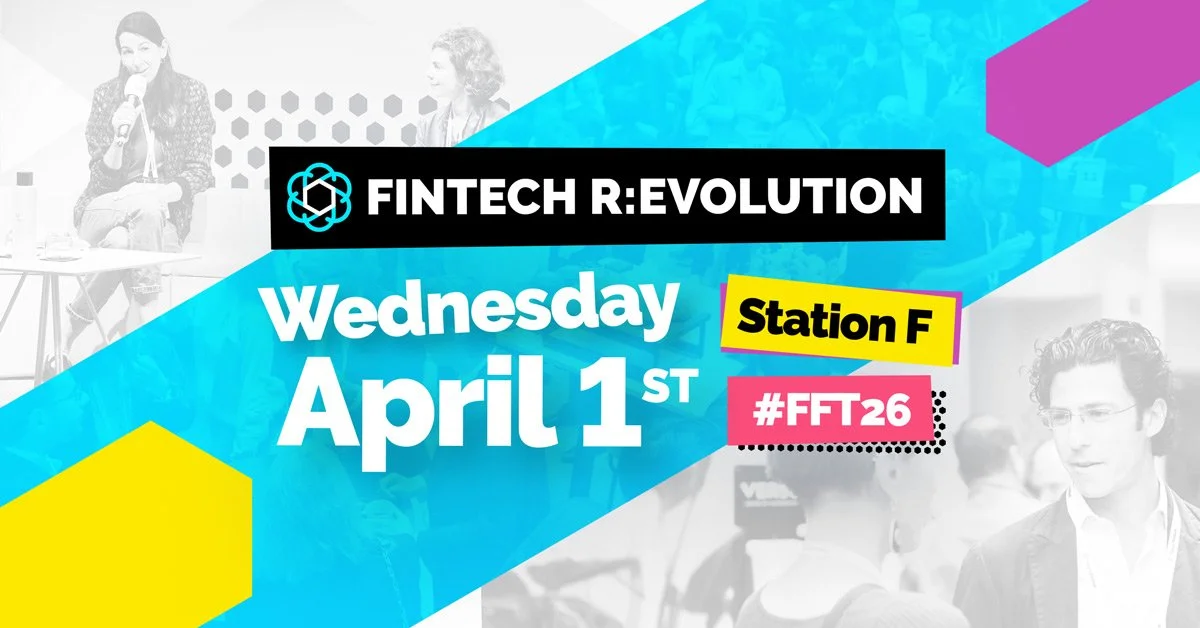
Mandalore Partners sera présent à FinTech R:Evolution 2026 : un rendez-vous clé pour l’innovation financière

Le FinTech R:Evolution 2026, organisé par France FinTech, s’impose aujourd’hui comme l’événement de référence pour l’écosystème financier innovant en France.

Prévue le 1er avril 2026 à Station F à Paris, cette 11ᵉ édition réunira plus de 1 500 participants : entrepreneurs, investisseurs, décideurs, régulateurs et experts du secteur.
Au programme :

  • conférences stratégiques

  • démonstrations de solutions innovantes

  • sessions de networking qualifiées

  • masterclass et échanges sectoriels

L’événement mettra notamment en avant une thématique forte : la montée en exigence de qualité dans l’écosystème fintech (“Flight to Quality”).

Mandalore Partners au cœur de l’écosystème fintech

Spécialisé dans le VC-as-a-Service, Mandalore Partners accompagne les startups fintech, insurtech et deeptech dans leur croissance, en les connectant à des corporate et investisseurs stratégiques.

Participer à FinTech R:Evolution 2026 représente une opportunité clé pour :

  • rencontrer des startups à fort potentiel

  • échanger avec des investisseurs et corporate leaders

  • identifier les tendances émergentes du marché

  • renforcer son réseau dans l’écosystème européen

Comme le souligne leur participation aux éditions précédentes, cet événement est considéré comme un véritable hub de rencontres et d’opportunités business.

Pourquoi cet événement est stratégique pour les investisseurs et startups

Le FinTech R:Evolution 2026 ne se limite pas à un simple événement : c’est un accélérateur de collaboration entre les différentes parties prenantes de la finance.

Pour les startups

  • visibilité auprès d’investisseurs

  • opportunités de partenariats

  • accès à des retours d’expérience concrets

Pour les investisseurs et corporate

  • sourcing de startups innovantes

  • veille stratégique sur les tendances fintech

  • accès à un dealflow qualifié

Avec plus de 350 fintechs, insurtechs et regtechs représentées selon certaines éditions, l’événement offre une vision complète des transformations du secteur.
Un écosystème en pleine transformation

Dans un contexte marqué par :

  • l’accélération de l’IA

  • les évolutions réglementaires

  • la transformation des modèles financiers

des événements comme FinTech R:Evolution 2026 jouent un rôle clé pour structurer l’écosystème et favoriser l’innovation.

Pour Mandalore Partners, cette présence s’inscrit dans une stratégie plus large :
👉 connecter innovation, capital et corporate
👉 accélérer l’adoption de solutions technologiques
👉 créer de la valeur durable dans les secteurs fintech et insurtech

Rendez-vous à Paris

La participation de Mandalore Partners à FinTech R:Evolution 2026 confirme son positionnement comme acteur clé de l’innovation financière en Europe.

📍 Lieu : Station F
📅 Date : 1er avril 2026

👉 Un rendez-vous à ne pas manquer pour tous les acteurs souhaitant comprendre, anticiper et façonner le futur de la finance.

"Fortress Capital" – Investir dans la sécurité et la souveraineté à l'horizon 2035

En écho au Panel : "Fortress Capital: Investing in Security, Sovereignty & Survival Assets (2026–2035)"

L'ouverture des discussions au sommet de Luxembourg a donné le ton avec un panel consacré aux actifs de souveraineté et de survie. Animé par des experts de la finance et de la stratégie, ce débat a exploré comment les family offices réorientent leurs allocations vers des secteurs critiques : cybersécurité, infrastructures sensibles, technologies militaires et spatiales, et chaînes de valeur souveraines. Une question centrale a émergé : comment transformer ces postures défensives en opportunités d'investissement structurantes pour la décennie à venir ?

Cette quête de résilience et de souveraineté trouve un écho très concret dans le portfolio de Mandalore Partners, qui a identifié depuis plusieurs années le potentiel des technologies critiques. Plusieurs de leurs participations illustrent parfaitement cette tendance "Fortress Capital".

Dans le domaine de la sécurité numérique et de la souveraineté des données, Ledger est bien plus qu'une licorne française : c'est un acteur systémique. En sécurisant plus de 20% des actifs numériques mondiaux, l'entreprise est devenue une infrastructure critique pour l'économie digitale et un rempart contre la vulnérabilité des clés privées. Son adoption par des institutions financières et des entreprises démontre que la souveraineté sur ses actifs est désormais un impératif stratégique.

La dimension de survie et de résilience peut aussi s'appréhender à travers le prisme de la santé et de la prévention, un axe fort du fonds Impacttech. Huma, startup de santé digitale, développe des plateformes de soins à distance et de suivi de patients utilisant l'IA. Dans un monde confronté aux risques de pandémies (un scénario de contingence évoqué au panel), de telles technologies deviennent des actifs de souveraineté sanitaire, permettant aux systèmes de santé de gérer des crises tout en assurant la continuité des soins. C'est une forme d'infrastructure critique du futur.
Enfin, le volet technologies duales et résilience industrielle est incarné par Mob-Energy. Sa solution de recharge de véhicules électriques, basée sur des batteries de seconde vie, répond à un double enjeu de souveraineté : sécuriser les chaînes d'approvisionnement énergétique en réduisant la dépendance aux matières premières critiques (grâce au réemploi) et renforcer l'autonomie des infrastructures de mobilité. C'est une illustration parfaite de ce que les intervenants du panel appellent l'investissement dans les "survival assets", ces actifs qui assurent la continuité de nos sociétés face aux disruptions.

Alors que la notion de "forteresse" évolue d'un concept physique à une réalité technologique et systémique, le message du sommet est clair : la sécurité et la souveraineté sont devenues des classes d'actifs à part entière. Pour les family offices, y avoir une exposition ne relève plus de la précaution, mais d'une allocation stratégique aux piliers de notre résilience future.

Outlook 2026 – Pourquoi le crypto devient un actif stratégique

En écho à l'atelier de Hashdex

L'atelier animé par Benjamin Ittah de Hashdex, intitulé "Outlook 2026: why Crypto is becoming a strategic allocation", a capté toute l'attention lors du sommet de Luxembourg. Ce qui n'était hier qu'une classe d'actifs spéculative est en train de devenir, pour de nombreux family offices, une composante à part entière de l'allocation stratégique. Derrière cette tendance se cache un écosystème d'entreprises qui construisent les infrastructures de confiance indispensables à cette adoption.

Le portfolio de Mandalore Partners compte en la matière un ambassadeur de choix avec Ledger. Leader mondial incontesté de la sécurisation des actifs numériques, Ledger a joué un rôle clé dans la maturation du secteur. En rendant la conservation des crypto-actifs accessible et ultra-sécurisée (avec plus de 20% des actifs cryptos mondiaux sécurisés via ses dispositifs), l'entreprise a levé un frein majeur pour les investisseurs institutionnels. Le lancement de Ledger Enterprise répond précisément aux besoins de ces family offices en quête de solutions de conservation robustes et conformes.
Au-delà de la conservation, l'innovation financière permise par la blockchain est un autre moteur de cette allocation stratégique, comme l'illustre IZNES. Cette plateforme utilise la blockchain pour simplifier et sécuriser l'achat et la vente d'OPC (fonds d'investissement), un processus traditionnellement lourd et complexe. En tokenisant des parts de fonds, IZNES ouvre la voie à plus de liquidité, de transparence et d'efficacité opérationnelle, des arguments qui résonnent fortement auprès des gérants de patrimoine en quête de performance. L'adoption du crypto comme actif stratégique ne se limite donc pas au bitcoin ou à l'ether, mais englobe toute une nouvelle infrastructure financière où des sociétés comme Ledger et IZNES sont des piliers essentiels.

"Is your wealth strategy AI-ready ?" – L'IA au service de la nouvelle finance

En écho à la session d'AXA Wealth Europe et Sapians.

Lors du dernier Family Offices & Asset Management Summit à Luxembourg, Gaëlle Haag (AXA Wealth Europe) et Souleymane-Jean Galadima (Sapians) ont posé une question cruciale : "Is your wealth strategy AI-ready ?" Pour les family offices, l'heure n'est plus à se demander s'ils doivent adopter l'IA, mais comment l'intégrer de manière pragmatique pour gagner en efficacité et personnalisation.

Cette interrogation fait directement écho à la stratégie de Mandalore Partners, dont le portfolio regorge de pépites qui transforment l'administration de la finance et des données. Des startups comme Mipise ou INVYO illustrent parfaitement cette tendance de fond. Mipise, avec ses solutions "end-to-end" de digitalisation des flux complexes (onboarding, investissement en Private Equity), permet aux établissements financiers d'automatiser des processus critiques grâce à des plateformes SaaS, libérant ainsi leurs équipes pour des tâches à plus haute valeur ajoutée.

Dans le même esprit, l’expertise d’INVYO en tant que marketplace et intégrateur de solutions de data management est au cœur de la stratégie "AI-ready". Une gestion et une analyse avancées des données sont le prérequis indispensable à toute implémentation d'IA performante. Comme l'ont souligné les intervenants, l'IA n'est pas une fin en soi mais un outil pour exécuter la stratégie patrimoniale. Les solutions de ces startups offrent aux family offices les fondations technologiques pour y parvenir, en automatisant la collecte d'information, en sécurisant les flux et en permettant une vision consolidée et intelligible des actifs. Se préparer à l'IA, c'est d'abord se doter des bons outils de gestion et d'analyse – un conseil que les investisseurs avertis du sommet ont pu méditer.

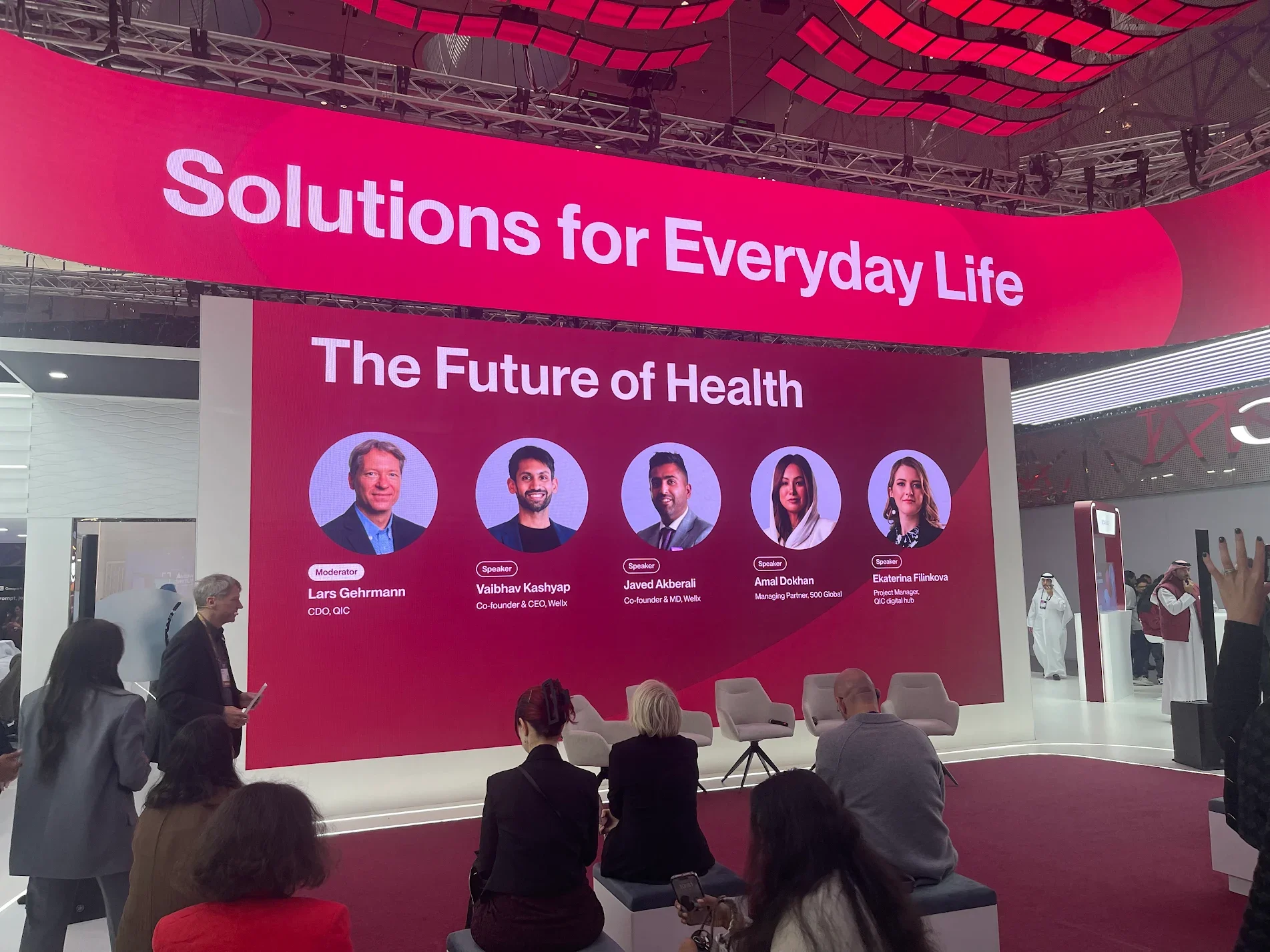
The Future of Healthcare: How AI, Investment and the QIC–Wellx PartnersIhip Are Redefining Wellbeing

Introduction

The future of healthcare is undergoing a fundamental shift. Long centered on reactive and curative models, the sector is now moving toward a proactive, personalized, and wellbeing-driven approach. During a strategic panel on the future of healthcare, industry leaders explored how artificial intelligence (AI), investment strategies, and insurer–startup partnerships are reshaping the health ecosystem.

At the heart of the discussion was the collaboration between QIC, a leading regional insurer, and Wellx, a healthtech startup. Their partnership illustrates how technological innovation can deliver both measurable human impact and sustainable economic value.

AI as a Catalyst for Proactive and Personalized Healthcare

From Reactive Care to Guided Wellbeing

Healthcare is no longer just about treating illness. The emerging paradigm focuses on prevention, continuous engagement, and long-term quality of life. The ultimate goal is not simply longevity, but living better today.

In this context, technology should not merely display data or dashboards. Instead, it must act as a guide, helping individuals adopt healthier behaviors without overwhelming them with information.

Generative AI vs. Specialized Healthcare AI

The panel clearly differentiated between two forms of artificial intelligence:

  • General-purpose AI (e.g., ChatGPT): powerful tools for aggregating information and democratizing access to health knowledge, but largely leaving decision-making and action to the user.

  • Specialized, healthcare-trained AI: where real value is created. These systems are designed to deliver secure, personalized, and actionable health journeys.

QIC, for instance, trains its AI engines on more than 61 years of reliable proprietary data, ensuring credibility, safety, and relevance. Wellx goes a step further by using AI not just to inform, but to positively influence user behavior, generating measurable health outcomes and reducing insurance-related costs.

Investing in Healthtech: A Highly Selective Approach

What Investors Truly Look For

According to insights shared by 500 Global, investing in healthtech goes far beyond evaluating cutting-edge technology. Investors prioritize:

  • Founders with a deep understanding of human psychology, particularly fear-driven behaviors related to health.

  • Hands-on experience with complex ecosystems, such as insurance, healthcare delivery, and regulation.

  • Strong resilience, given long adoption cycles, regulatory hurdles, and the need for strategic pivots.

Openness to mergers and acquisitions is also viewed as a realistic and often desirable exit path in a sector heading toward consolidation.

Health as a New Form of Economic Capital

One of the most compelling ideas discussed was the notion of personal health as economic capital. In the future, an individual’s health status could directly influence wealth, employability, and overall economic stability. This perspective reinforces the importance of investing in solutions that sustainably improve quality of life.

Case Study: The Strategic QIC–Wellx Partnership

A Trust-Based Collaboration Model

The QIC–Wellx partnership stands out as a strong example of insurer–startup collaboration in the region. Initiated four years ago after Wellx won an Insurtech event co-organized by QIC, the relationship was built on a clear principle: value creation before financial investment.

Instead of starting with equity funding, QIC provided commercial contracts and access to a real insurance portfolio, enabling Wellx to test and validate its model in real-world conditions.

Tangible Economic Outcomes

This approach delivered concrete results:

  • The creation of a health insurance portfolio valued between USD 30 and 40 million.

  • Significant improvements in claims management performance.

  • Enhanced overall portfolio profitability for QIC.

These outcomes demonstrate that prevention and wellbeing, when properly integrated, can become powerful economic levers for insurers.

Why the Partnership Works

The success of the QIC–Wellx collaboration is rooted in three core pillars:

  1. Credible, high-quality data used to train AI systems.

  2. Mutual trust, built over several years of close collaboration.

  3. A long-term, human-centric vision focused on ecosystem-wide impact.

Building a Human-Centered Healthcare Ecosystem

The Power of an Ecosystem Approach

The panel emphasized that standalone applications rarely deliver lasting impact. True effectiveness comes from a holistic ecosystem that brings together:

  • Insurers

  • Healthtech startups

  • Healthcare providers

  • Public institutions and regulators

This ecosystem approach surrounds users with aligned incentives, reliable guidance, and continuous support.

Turning Technology into Motivation

The key challenge is not technological, but behavioral. The most effective health solutions are those that can subtly motivate users, encourage healthier habits, and transform knowledge into action.

Future Outlook for Healthtech

Geographic Expansion

Following its success in the United Arab Emirates, the QIC–Wellx model is now scaling to new markets. Upcoming launches are planned in:

  • Saudi Arabia

  • Doha, Qatar

Toward a Deeper Strategic Alliance

What began as a traditional client–vendor relationship has evolved into a strategic alliance. Over time, partnerships of this nature may pave the way for merger and acquisition opportunities, setting a new standard for collaboration in the region.

Continuous Innovation and Trusted AI

Innovation remains ongoing. By leveraging increasingly specialized AI and trusted data, QIC and Wellx aim to further enhance the health and wellbeing journey, with a clear objective: combining human impact, trust, and economic performance.

Conclusion

This strategic panel made one thing clear: the future of healthcare lies at the intersection of AI, investment, and trust-based partnerships. When designed with credibility and a human-first mindset, AI becomes a powerful lever to improve quality of life while creating sustainable economic value.

The QIC–Wellx partnership exemplifies this shift—showing how prevention, wellbeing, and ecosystem thinking can redefine healthcare into a model that is not only innovative, but durable, scalable, and deeply human.

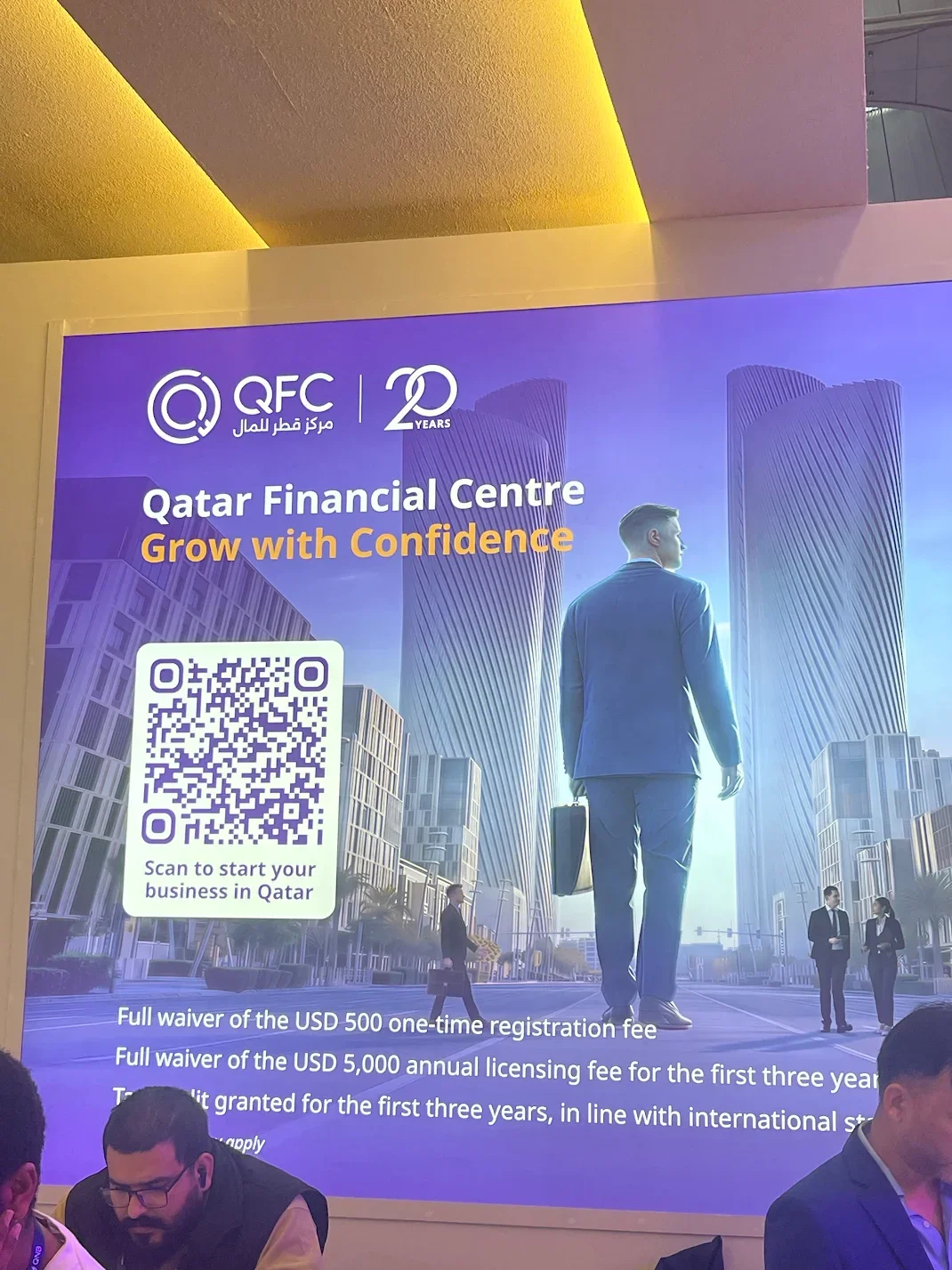
We Will Be Attending Web Summit Qatar 2026 in Doha

Source : https://qatar.websummit.com/

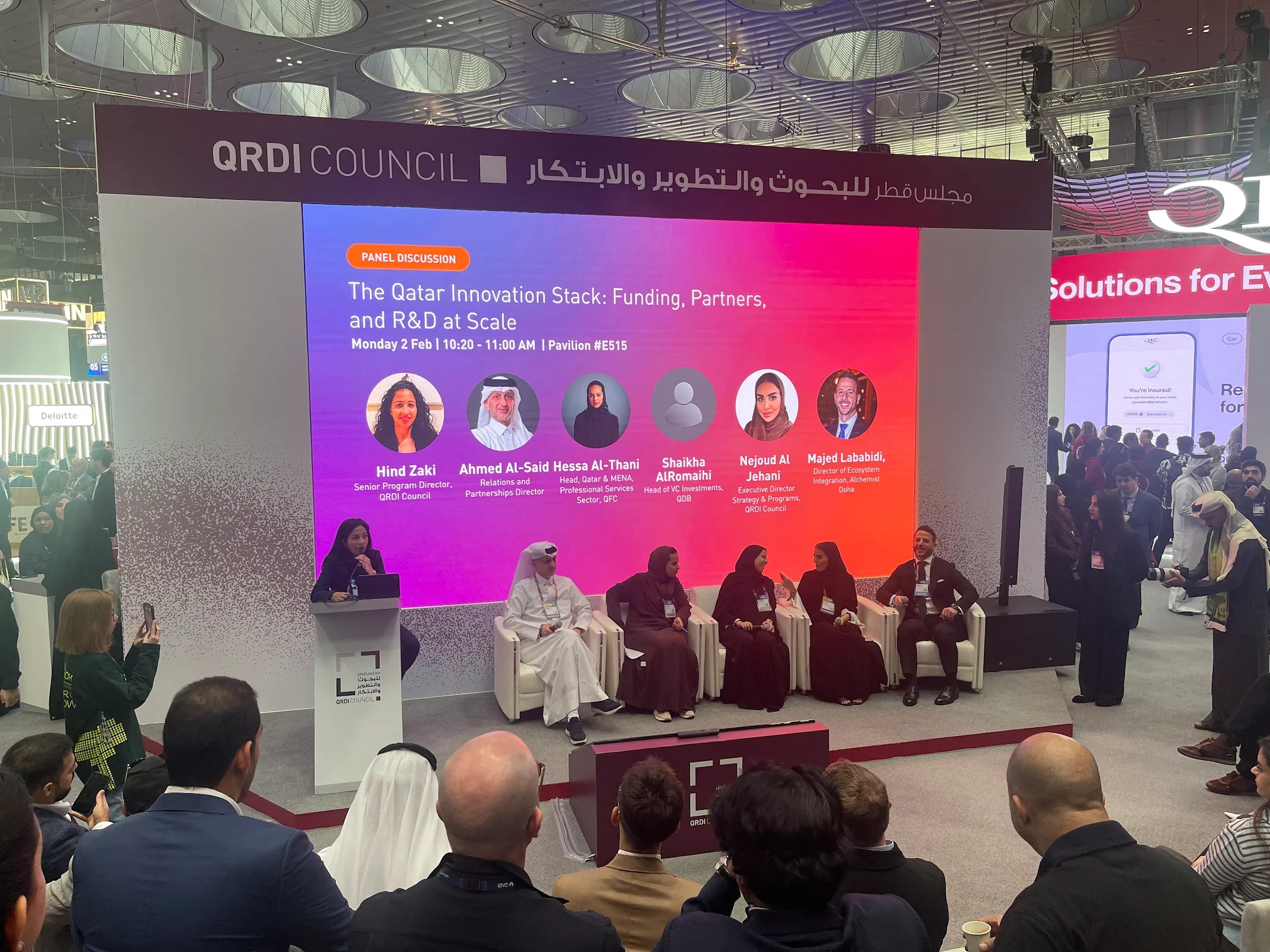
We are pleased to announce that Mandalore Partners will be attending Web Summit Qatar, one of the world’s leading global technology conferences, taking place in Doha from February 1–4, 2026.

🌍 A Key Global Tech Event

Web Summit Qatar brings together thousands of founders, investors, corporate leaders, policymakers, and innovators from across the world. The event has quickly become a major hub for conversations around technology, innovation, and the future of digital transformation, with a strong focus on emerging markets and global collaboration.

The 2026 edition will feature a diverse agenda of keynote talks, panel discussions, startup showcases, and networking opportunities, covering topics such as artificial intelligence, fintech, cybersecurity, sustainability, and digital growth.

🤝 Why We’ll Be There

Our presence at Web Summit Qatar reflects our commitment to staying closely connected to the global tech ecosystem. During the event, we aim to:

  • Explore key technology and innovation trends shaping the future of business and finance

  • Meet founders, investors, and strategic partners from the MENA region and beyond

  • Exchange insights and perspectives with industry leaders and decision-makers

  • Identify collaboration opportunities aligned with our long-term vision

Web Summit Qatar offers a unique platform to connect ideas, talent, and capital at an international scale.

📍 Event Details

  • 📅 Dates: February 1–4, 2026

  • 📍 Location: Doha, Qatar

  • 🌐 Audience: Startups, investors, corporates, media, and policymakers

  • 🎯 Key themes: AI, fintech, digital transformation, emerging technologies, sustainability

We look forward to connecting with the ecosystem in Doha.
If you will also be attending and would like to meet, feel free to reach out.

We Will Be Attending GITEX GLOBAL 2025 in Dubaï

We’re pleased to announce that Mandalore Partners will be attending GITEX GLOBAL 2025, one of the largest and most influential technology events in the world.

📅 Dates: October 13 – 17, 2025
📍 Location: Dubai World Trade Centre, Dubai, United Arab Emirates

Now entering its 45th edition, GITEX GLOBAL brings together thousands of technology leaders, investors, startups, and innovators from over 170 countries. The event serves as a major global platform to explore emerging technologies — from artificial intelligence, fintech, and cloud computing, to cybersecurity, digital transformation, and sustainability.

For Mandalore Partners, GITEX is a unique opportunity to connect with visionary founders, investors, and corporate innovators who are driving the next wave of technological disruption. As an active venture builder and investor in deep tech and digital innovation, we look forward to exploring new ideas, meeting our partners, and discovering future opportunities in the global tech ecosystem.

If you are also attending GITEX GLOBAL this year, we’d be delighted to connect.

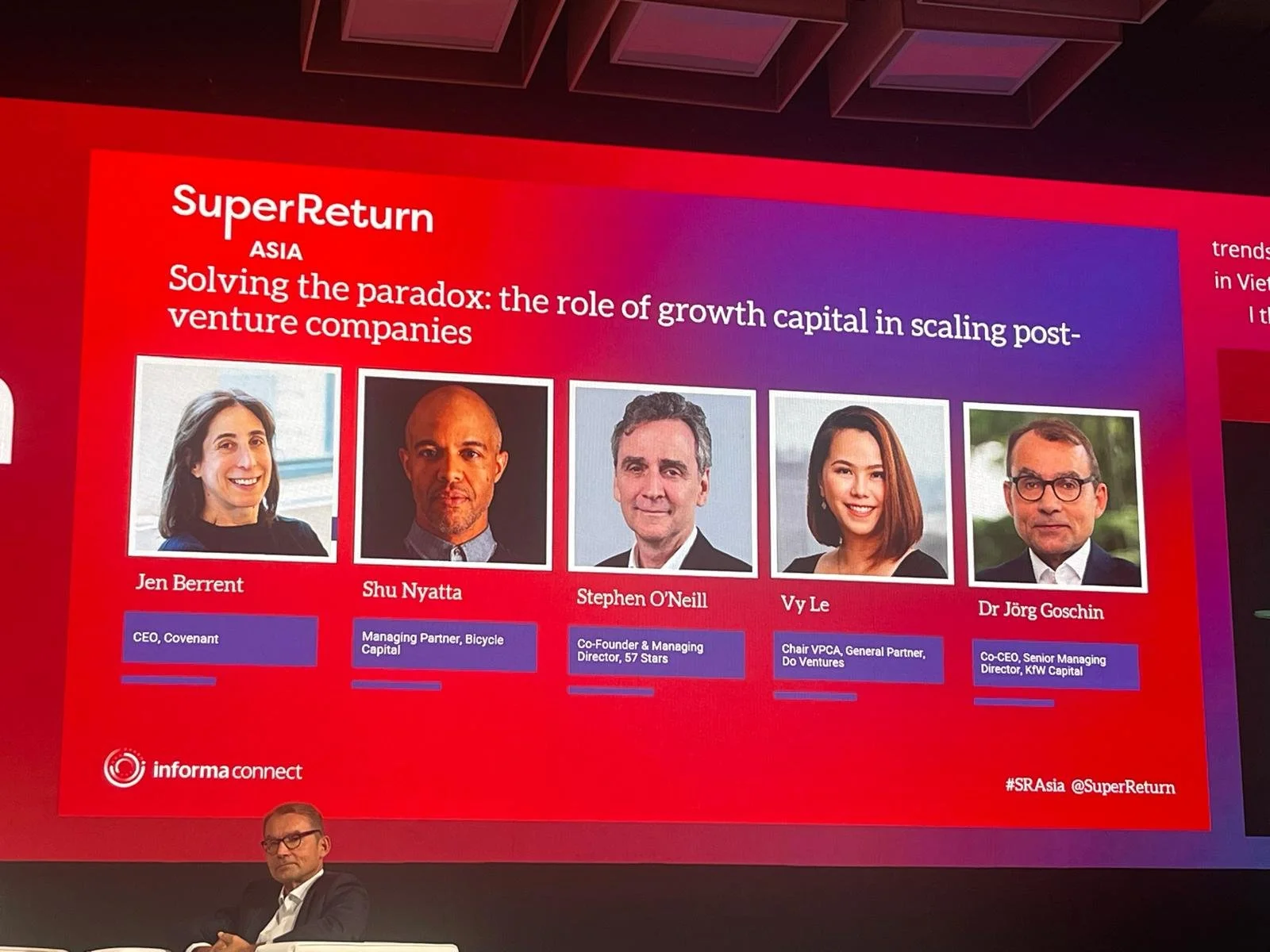
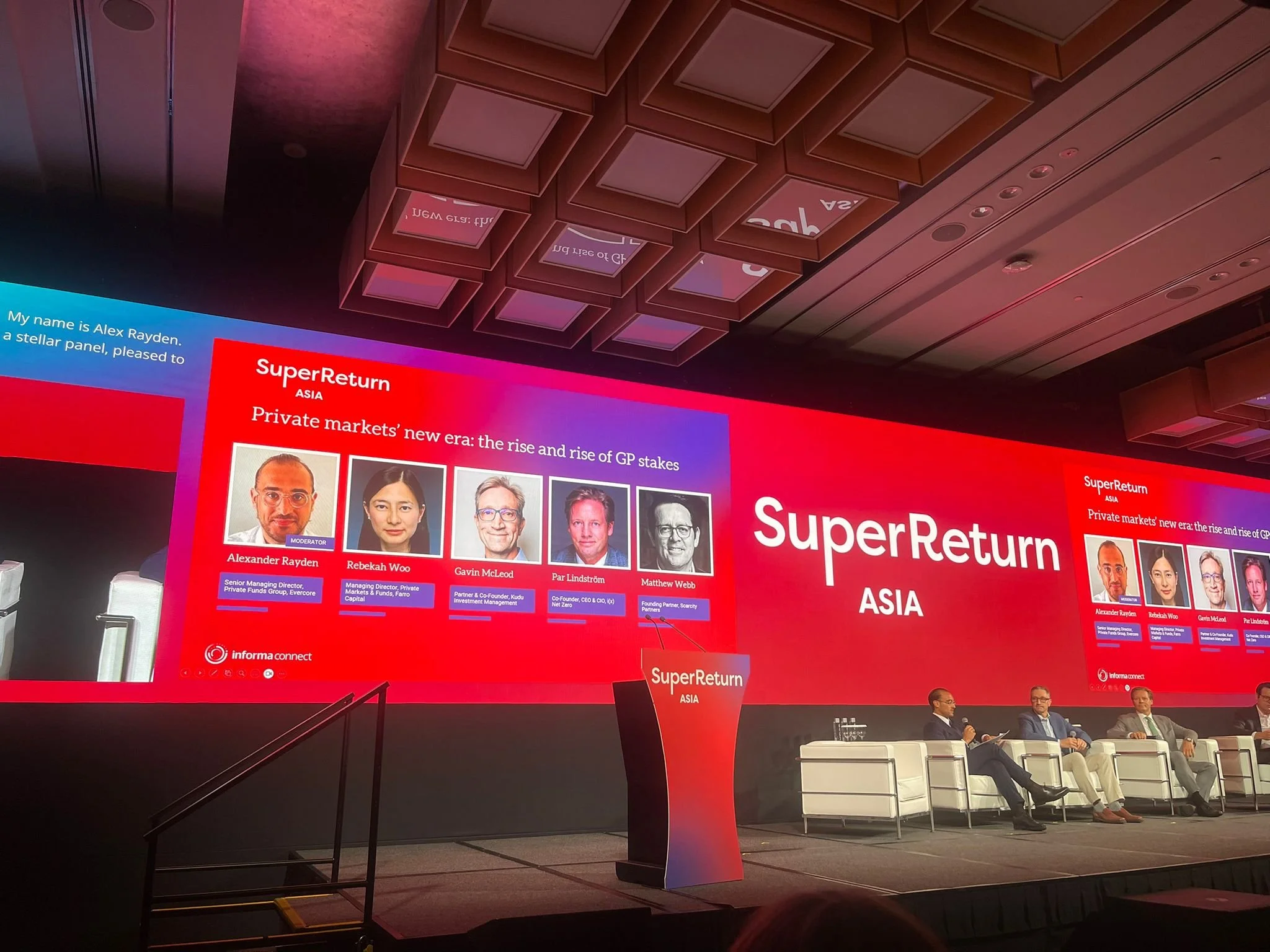
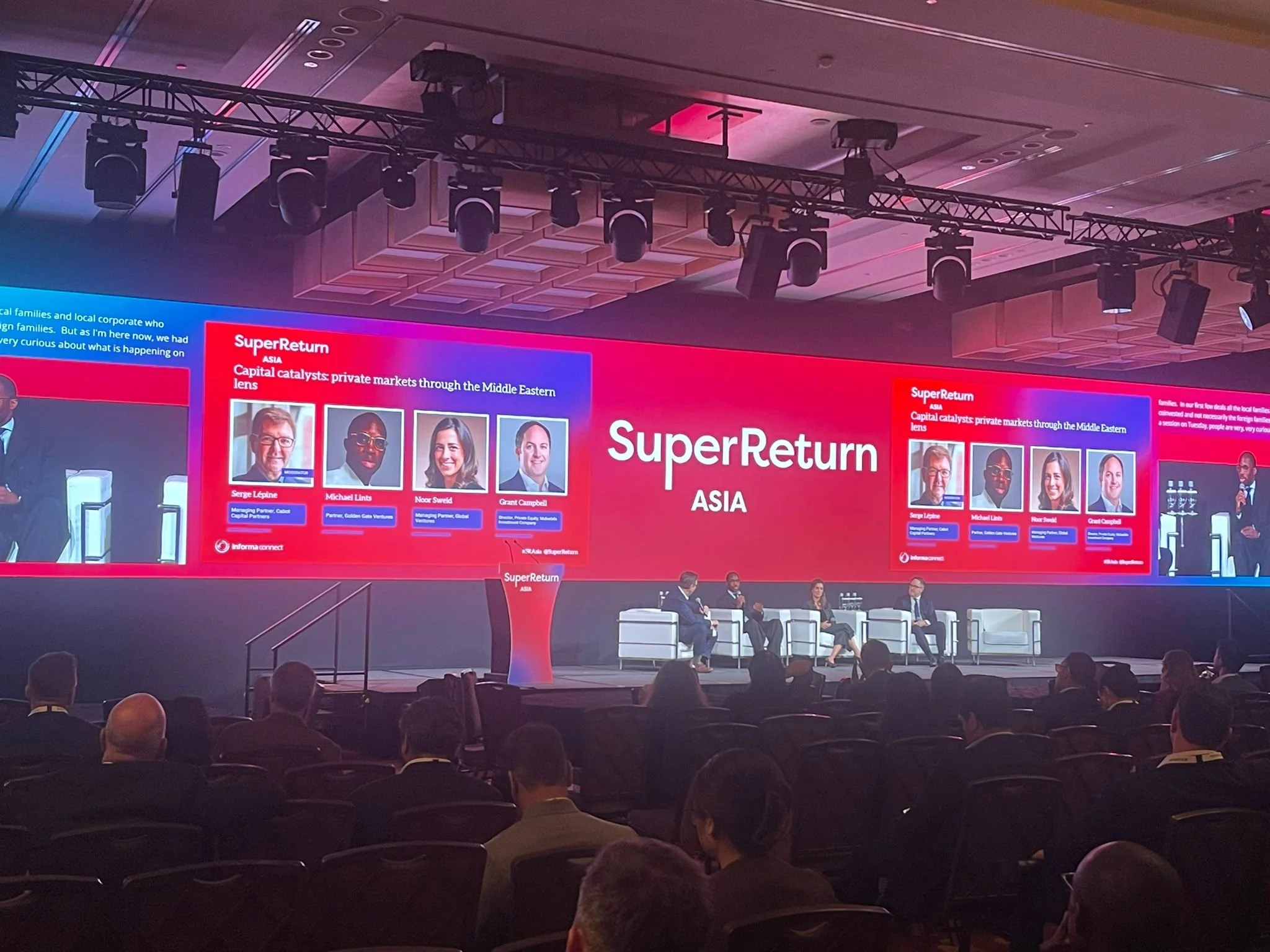
SuperReturn Asia – Singapore: Key Highlights

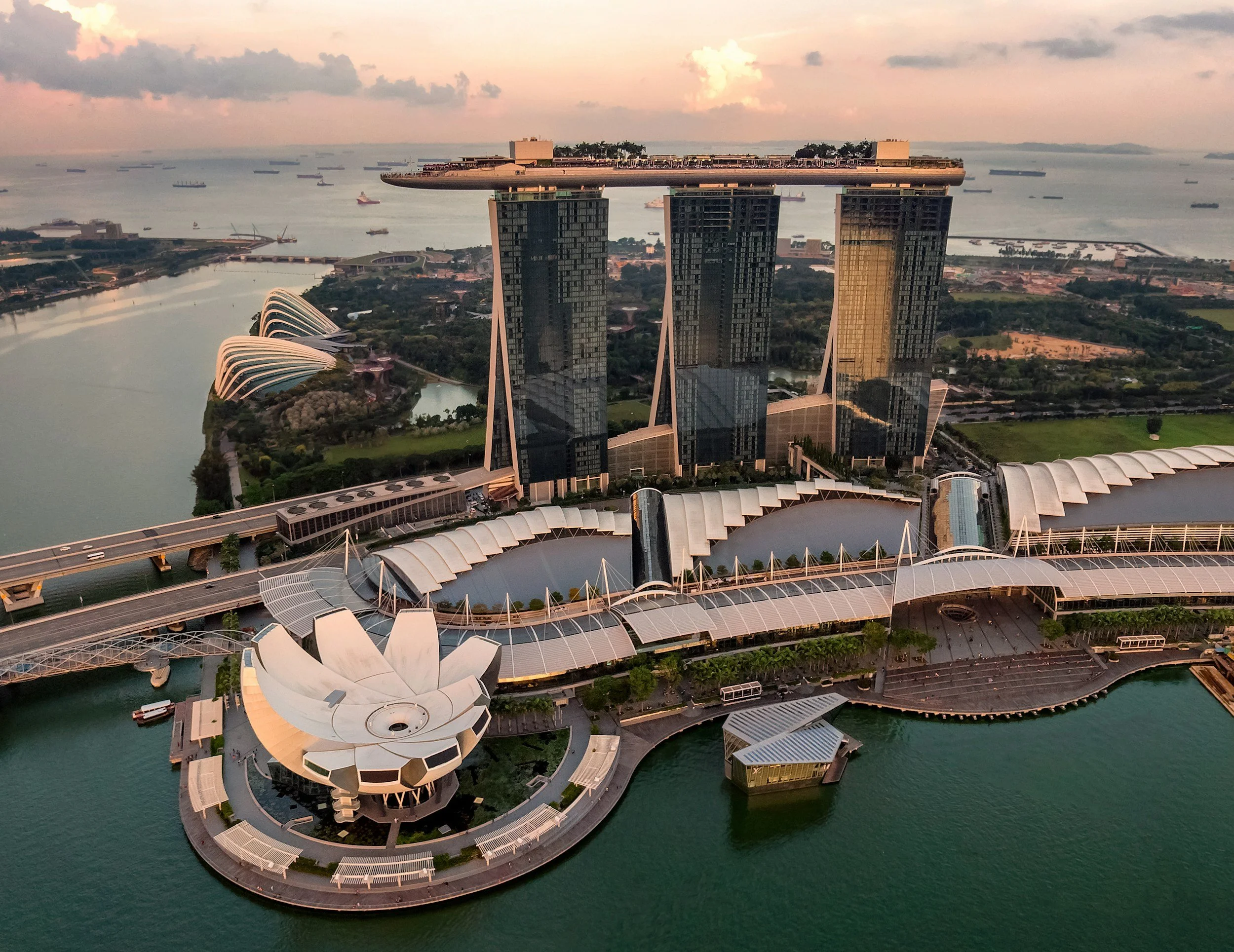
From 16-19 September 2025, the Marina Bay Sands Convention Centre lit up in Singapore for SuperReturn Asia, Asia’s flagship private capital / private markets event.

What It Was About

A gathering of LPs (Limited Partners), GPs (General Partners), fund managers, institutional investors, sovereign wealth funds, family offices — people shaping the direction of private equity, venture capital, private credit, secondaries, thematic investing, deep tech & AI, etc. 

New / highlighted features at the 2025 edition included:

  • AI & Deep Tech Investing Summit — a track focused on what’s coming next in AI, deep tech.

  • SuperReturn Allocate — a data-driven LP/GP meetings programme with fast 1:1 meetings (8 minutes each), guaranteeing a number of meetings, optimized via the event app.

  • Awards Ceremony (“Acknowledgements Ceremony”) to recognise excellence, leadership & innovation among the region’s private capital players.

  • Family Office Asia Summit — bringing together senior decision makers from family offices.

Who Was There

  • Over 2,500+ industry giants from 50+ countries.

  • LPs with $20 trillion+ in assets under management attended. 

  • Names include: BlackRock, Temasek, Goldman Sachs, AllianceBernstein, Asian Development Bank, IFC, Investcorp, PIMCO, Mubadala, Ontario Teachers’ Pension Plan, etc.

What You Could Experience

  • Networking was central: 80,000+ meetings expected through the AI-powered meetings platform. 

  • Scheduled sessions / specialist tracks spanning: private credit, venture capital, AI & deep tech, thematic & country-focused investing, secondaries & liquidity, fundraising & LP/GP relations.

  • Exclusive access for LPs: closed-door sessions; hosted breakfasts / lunches; emerging managers showcase; ability to host AGMs.

  • Social / community dimension: nightly receptions, guided walks around the city, the 20th anniversary party at CÉ LA VI (rooftop of Marina Bay Sands). 

Why It Matters

  • It’s a one-stop, high-density convergence of the “who’s who” in Asia’s private markets.

  • There’s substantial cross-border visibility: global GPs + LPs meet, exchange perspectives, explore opportunities & deal flow across Asia.

  • The growing focus on tech, AI/deep tech, private credit, thematic & country-focused investing signals the shifting priorities & risk/return considerations in the region.

We Will Be Present at Patrimonia 2025 in Lyon alongside Pledger

Source : https://www.patrimonia.fr/

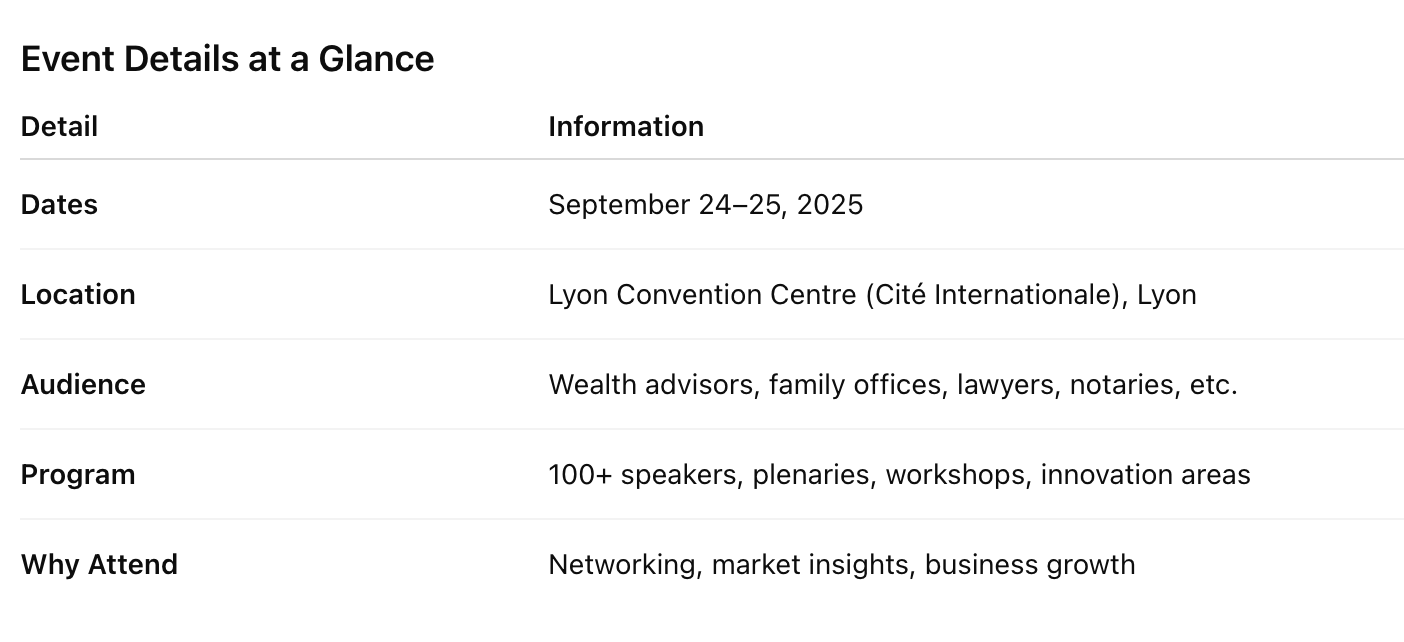
We are pleased to announce that we will be present at Patrimonia 2025, the largest and most influential convention for wealth management professionals in France. The 32nd edition will take place on September 24–25, 2025, at the Lyon Convention Centre (Cité Internationale).

Why We’re Attending

  • Unmatched Reach in Wealth Management
    Patrimonia serves as a premier platform for professionals, including wealth advisors (CGP), family offices, private bankers, lawyers, notaries, and asset managers.

  • High-Quality Audience & Engagement
    In 2024, the convention gathered over 9,000 professionals, more than 380 exhibitors, and 110 speaking sessions Patrimonia. The 2025 edition is expected to go even further, with more than 400 exhibitors and overflowing demand.

  • Rich Program & Learning Opportunities
    Patrimonia 2025 will feature over 100 expert talks, including plenary sessions, workshops, roundtables, and innovation zones focused on digital transformation, ESG, fintechs, and more.

  • Strategic Networking
    The event offers an exceptional environment for forging new business partnerships, sharing insights with top-tier players, and showcasing our solutions to a highly targeted and influential professional audience.

Join Us There

We look forward to meeting fellow professionals and sharing insights in the evolving landscape of wealth management. If you're planning to attend or would like to schedule a meeting, feel free to connect with us.

See you in Lyon this September!

We Will Be Attending SuperReturn Asia 2025 in Singapore

We’re excited to announce that we will be present at SuperReturn Asia 2025, Asia’s premier gathering for private capital professionals. The event will be held from September 16 to 19, 2025, at the Marina Bay Sands Convention Centre in Singapore.

Why We're Attending

  • Expand Our Network: We’ll have the opportunity to connect with over 2,500 industry leaders, including more than 1,000 limited partners (LPs) and 1,000 general partners (GPs), representing 50+ countries.

  • Gain Insights: SuperReturn Asia offers in-depth sessions covering:

    • Private markets trends and fundraising outlook

    • Secondaries and liquidity solutions

    • Venture capital and private credit

    • AI & Deep Tech investing, as well as other emerging strategies.

  • Meaningful Engagements: The conference features unique networking elements such as the AI-powered SuperReturn Allocate LP/GP meeting program, awards, guided city tours, and evening receptions, including a 20th-anniversary party atop Marina Bay Sands.

What to Expect

Attend exclusive gatherings such as:

  • Specialist Summits, including the AI & Deep Tech Investing Summit, Country-Focused Summit, Private Credit Summit, and Venture Capital Summit.

  • High-impact networking through planned speed meetings, closed-door sessions, and social events, all enhanced by a dedicated app for pre-event matchmaking.

  • Inspirational content led by top-tier speakers and institutions across the spectrum of private capital, from the Asian Development Bank to Goldman Sachs, IFC, Temasek, and many more.

Join Us in Singapore!

We look forward to exploring investment trends, meeting new partners, and immersing ourselves in the dynamic dialogue shaping the future of private markets in Asia. If you're planning to attend or would like to schedule a meeting, don’t hesitate to reach out!

Mandalore Partners to Join INSEAD’s 21st Private Equity & Venture Capital Conference

We’re excited to share that Mandalore Partners will be attending the upcoming 21st Annual INSEAD Private Equity & Venture Capital Conference, taking place on June 12–13, 2025, in Paris and Fontainebleau, France.

Hosted by the INSEAD Private Equity Club (IPEC), this annual conference brings together global leaders in private equity, venture capital, institutional investment, and innovation strategy for two days of impactful conversations, networking, and thought leadership.

Key Event Details

  • Event: 21st INSEAD Private Equity & Venture Capital Conference

  • Dates: June 12 - 13, 2025

  • Locations:

    Day 1: Renaissance La Défense Hotel,Paris

    Day 2: INSEAD Europe Campus, Fontainebleau

A Conference for Strategic Dialogue

This conference is a gathering of leading practitioners, academics and the INSEAD community to debate the forces shaping the private equity & venture capital industry. This year's topic will be: "Outlook of European Markets"

Why Mandalore Is Attending

As a forward-looking firm delivering Corporate Venture Capital-as-a-Service (VCaaS), Mandalore Partners is committed to shaping the future of venture-backed innovation. Our presence at this conference reflects our ongoing investment in:

  • Building stronger corporate-startup collaboration frameworks

  • Exploring new capital models for growth-stage innovation

  • Contributing to the dialogue on sustainable and inclusive investing

We look forward to engaging with peers and partners across the private equity and venture capital spectrum and exchanging insights on how we can rethink, rebuild, and reinvest for long-term value.

Let’s Connect at 21st Annual INSEAD Private Equity & Venture Capital Conference

If you plan to attend the conference and would like to connect with our team, reach out in advance. We welcome conversations with fund managers, corporates, and ecosystem builders looking to push the frontier of strategic innovation.

We’re Attending the EUVC Summit & Awards Show 2025 – Online! 🎥🌍

We’re thrilled to announce that we’ll be attending the EUVC Summit & Awards Show virtually on Wednesday, May 14th, 2025 — an unmissable event for anyone shaping or following the future of European venture capital.

Organized by EUVC and hosted at Google London – Central Saint Giles, this full-day summit brings together Europe’s most influential VCs, founders, and ecosystem builders. With thought-provoking panels, high-impact discussions, and inspiring awards, this is more than just a conference — it’s Europe’s flagship gathering for the venture capital community.

🔍 Why We’re Tuning In

From emerging tech trends and cross-border investment strategies to the future of climate tech, AI, and micro funds, the EUVC Summit will address the most pressing challenges and opportunities shaping European innovation.

The agenda is packed with 30+ sessions led by leaders from Speedinvest, Cherry Ventures, Cambridge Associates, Target Global, HSBC Innovation Banking, Seedcamp, General Catalyst, Isomer Capital, and many more. Topics include:

  • Unlocking European Pension Capital

  • The State of European Pre-Seed

  • The Path to Superior Venture Returns in Europe

  • ESG, CSR, DEI – What's Next?

These sessions will provide powerful insights into the future of fundraising, startup scaling, policy trends, and the strategic role of VC in tackling global issues.

🏆 Celebrating Excellence in Venture

Alongside the talks, the EUVC Awards Show will spotlight the trailblazers of the European VC ecosystem. Categories include:

  • Hall of Fame Award

  • Newcomer of the Year

  • Impact Leader of the Year

  • Firm of the Year

  • Emerging Manager of the Year

  • Achievement of the Year

It’s a rare opportunity to recognize those pushing boundaries and setting new standards across venture capital and tech innovation.

📅 Key Event Info

  • Date: Wednesday, May 14, 2025

  • Time: 11:00 – 22:00 (UTC+1)

  • Location: Google London – Central Saint Giles (we’ll be attending remotely)

  • Hosted by: Andreas Munk Holm & David Cruz e Silva, EUVC

  • More Info: https://euvc.events/summit

Mon Petit Placement : Mandalore Partners cède sa participation à Malakoff Humanis

Huit ans après l’idée fondatrice, cinq ans après avoir accompagné ses premiers clients, Mon Petit Placement franchit une nouvelle étape structurante de son histoire. Le groupe Malakoff Humanis, auquel appartient La France Mutualiste (déjà actionnaire depuis 2022), devient aujourd’hui actionnaire majoritaire de la fintech lyonnaise. Un moment charnière, fruit d’une conviction restée intacte : rendre l’investissement accessible à toutes et tous, sans exception.

Un rapprochement choisi, pas une fusion

Ce mouvement capitalistique n’est ni une fusion, ni une intégration, mais bien une prise de participation majoritaire assumée par la direction de Mon Petit Placement. Ce choix stratégique permet à l’entreprise de se doter de moyens supplémentaires pour accélérer, tout en préservant son indépendance culturelle, opérationnelle et stratégique.

Thomas Perret, fondateur de l’entreprise, reste président et actionnaire, avec un engagement fort à long terme (au moins six ans) :

« Ce rapprochement, je l’ai choisi. Parce qu’il nous permet de rester alignés avec nos convictions sans céder aux pressions du court terme. »

Une mission sociale devenue un modèle économique viable

Depuis ses débuts, Mon Petit Placement évolue à contre-courant des codes traditionnels de la gestion de patrimoine. En s’adressant en priorité à des primo-investisseurs disposant de quelques milliers d’euros, la fintech s’est imposée comme un acteur engagé de la démocratisation de l’investissement.

Avec près de 30 000 clients accompagnés, 200 millions d’euros sous gestion et une croissance portée par des solutions simples, pédagogiques et accessibles, l’entreprise a su prouver que son approche — parfois considérée comme atypique — avait du sens : économiquement, humainement, socialement.

Concrètement, rien ne change… sauf les perspectives

Avec cette opération, les fondamentaux de Mon Petit Placement restent inchangés :

  • Les équipes restent en place.

  • Le siège reste à Lyon.

  • Les clients conservent leurs outils et leur accompagnement.

  • L’indépendance dans le choix des supports d’investissement est maintenue.

En revanche, ce partenariat permet de voir plus grand. Parmi les axes d’accélération évoqués :

  • Flouze, l’application mobile d’éducation financière, pourra s’appuyer sur davantage de moyens pour toucher un public plus large.

  • Une approche B2B2C, pour aider d’autres acteurs à proposer une offre d’investissement simple à leurs communautés.

  • Une intensification du travail pédagogique, avec des outils accessibles, des contenus vulgarisés, et un accompagnement humain renforcé.

Un modèle plus que jamais d’actualité

Dans un contexte où les Français expriment de plus en plus le besoin de comprendre, maîtriser et anticiper leur avenir financier, l’offre de Mon Petit Placement répond à une attente sociétale forte. Et avec ce nouveau partenaire majoritaire, la promesse est claire : garder l’ADN entrepreneurial et militant, tout en structurant une croissance durable.

Conclusion : une nouvelle étape, mais toujours la même direction

Ce rapprochement marque le début d’un nouveau chapitre, sans rupture. Une étape pensée pour donner à Mon Petit Placement les moyens d’élargir son impact, tout en conservant ce qui fait sa singularité : une volonté profonde de mettre la finance au service du plus grand nombre.


À propos de Mandalore Partners

Mandalore Partners transforme le paysage traditionnel du capital-risque en introduisant une approche innovante : le VC-as-a-Service. Ce modèle va bien au-delà du simple apport en capital.

Il repose sur une offre de services stratégiques afin de les aider à naviguer dans des environnements complexes, accélérer leur croissance et anticiper les tendances émergentes. Ce modèle proactif et impliqué a permis de bâtir un solide track record en apportant aux startups les ressources, l’expertise et les connexions nécessaires à leur réussite.

L’ambition de Mandalore Partners est d’agir en véritable partenaire, aux côtés des entrepreneurs, pour transformer des visions ambitieuses en réalités concrètes. Grâce à des stratégies sur-mesure et un accompagnement continu, plusieurs startups Insurtech parmi les plus prometteuses ont été accompagnées à chaque étape de leur développement — du financement d’amorçage à la phase de scale-up et au-delà.

Meet Mandalore Partners at the Global Takeoff Summit

On May 6–7, 2025, New York will host the prestigious Global Takeoff Summit—an event designed to foster meaningful exchanges and explore best practices in business creation and development.

Aimed at investors and entrepreneurs from around the world, the Global Takeoff Summit presents a unique opportunity for Mandalore Partners to:

  • Connect with investors and innovation experts in the finance sector

  • Learn key strategies for building successful ventures

  • Develop strategic relationships that inspire new collaborations

This year’s key themes include:

  • Thematic roundtables on critical topics such as studio structuring and funding strategies

  • Expert panels offering unique perspectives on the latest market trends

  • Targeted presentations showcasing innovative models and practical solutions

  • A setting tailored for strategic networking, with exclusive opportunities to build strong connections

By taking part in the Global Takeoff Summit, Mandalore Partners reaffirms its role as a strategic partner for startups and investors committed to shaping the future. This event perfectly reflects our dedication to innovation and our mission to support a rapidly evolving Insurtech ecosystem.

We look forward to seeing you in New York!

Retour en images sur la 2ᵉ édition du Tour de France de nos industries

Le 5 décembre 2024, la deuxième édition du Tour de France de nos industries a pris fin lors d’une journée exceptionnelle à Paris-Saclay. Cet événement, coorganisé par La French Fab et Avec L’Industrie®, a une fois de plus démontré la force et le dynamisme de notre industrie.

Une tournée nationale au cœur des territoires

Tout au long de cette édition, les étapes régionales ont rassemblé des milliers de jeunes, entrepreneurs, et professionnels autour d’une ambition commune : transformer et valoriser l’industrie française.

  • Des ateliers immersifs pour faire découvrir les métiers de demain.

  • Des rencontres inspirantes entre les acteurs locaux de l’innovation industrielle.

  • Des visites d’usines qui ont révélé les coulisses des entreprises emblématiques.

La dernière étape à Paris-Saclay, au cœur de l’écosystème industriel, a couronné cette édition avec un programme riche en échanges et en apprentissages.

Les moments forts de la journée de clôture à Paris-Saclay

📸 Ateliers thématiques : découverte des technologies vertes et des métiers de l’industrie innovante.
📸 Rencontres & networking : des connexions précieuses entre jeunes talents, industriels et experts.
📸 Animations et masterclasses : des interventions inspirantes sur l’industrie de demain.

Retour en images : Les temps forts d’Investir Day 2024

La 6e édition d’Investir Day s’est tenue avec succès, réunissant des milliers de passionnés et d’experts du secteur de l’investissement. Cet événement incontournable a permis aux investisseurs individuels de découvrir les multiples opportunités d’investissement, d’échanger avec les acteurs clés du marché et de mieux comprendre comment donner du sens à leurs placements.

Un écosystème diversifié à portée de main

Durant cette journée, les participants ont eu l’occasion d’échanger directement avec :

  • Les dirigeants de sociétés cotées pour mieux comprendre les stratégies de leurs entreprises.

  • Des spécialistes de l’immobilier, des cryptomonnaies et du crowdfunding, offrant une vue d’ensemble des alternatives d’investissement.

  • Des économistes et fiscalistes, qui ont partagé leurs analyses sur l’économie et les meilleures pratiques en gestion de patrimoine.

Une journée riche en enseignements et en connexions

Le programme varié, incluant des conférences inspirantes et des ateliers interactifs, a permis aux participants de mieux appréhender les tendances du marché. Parmi les thématiques abordées :

  • Les perspectives économiques actuelles et leurs impacts sur les choix d’investissement.

  • Les opportunités dans le capital-investissement et le crowdfunding.

  • L’importance de l’investissement responsable et aligné avec ses valeurs.

Un succès partagé par tous

Avec une forte participation et des retours positifs, Investir Day a confirmé son rôle de plateforme privilégiée pour démocratiser l’investissement. Les visiteurs repartent enrichis d’idées nouvelles, de contacts précieux et d’une vision plus claire des possibilités offertes par le monde de l’investissement.

Retour en images sur l'évènement Private Equity Insights 2024

Le 8 novembre 2024, le Pavillon Dauphine à Paris a accueilli le prestigieux événement Private Equity Insights. Cette journée a rassemblé plus de 500 participants, des General Partners (GPs) et Limited Partners (LPs) venus échanger sur les dernières tendances et opportunités du private equity.

Des moments forts et des échanges de qualité

L’événement a réuni plus de 60 intervenants de renom, offrant aux participants des perspectives variées sur les quatre thématiques principales : Fundraising, Investing, Creating Value, et Exiting. Les experts ont partagé leurs expériences et les bonnes pratiques pour réussir dans un secteur en constante évolution, avec un focus particulier sur la transparence et la collaboration entre LPs et GPs.

Networking et nouvelles opportunités

L’événement a également permis aux participants de rencontrer des acteurs clés du private equity, d’établir de nouvelles connexions et de renforcer leurs relations. Des réunions individuelles aux discussions informelles, Private Equity Insights a une fois de plus démontré son rôle essentiel dans le développement du réseau et des partenariats pour les professionnels du secteur.